
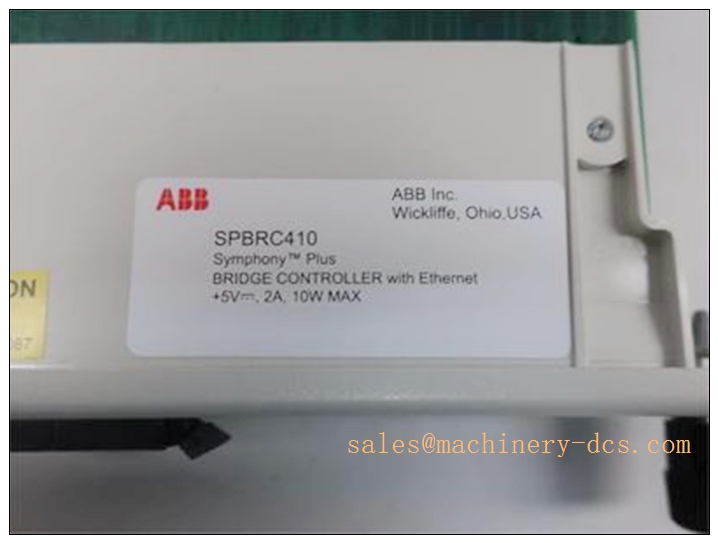
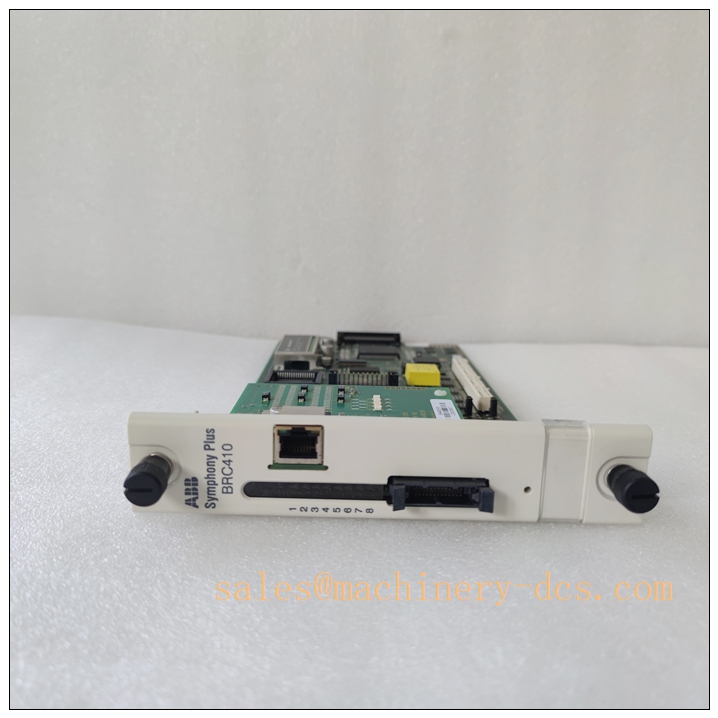
Description
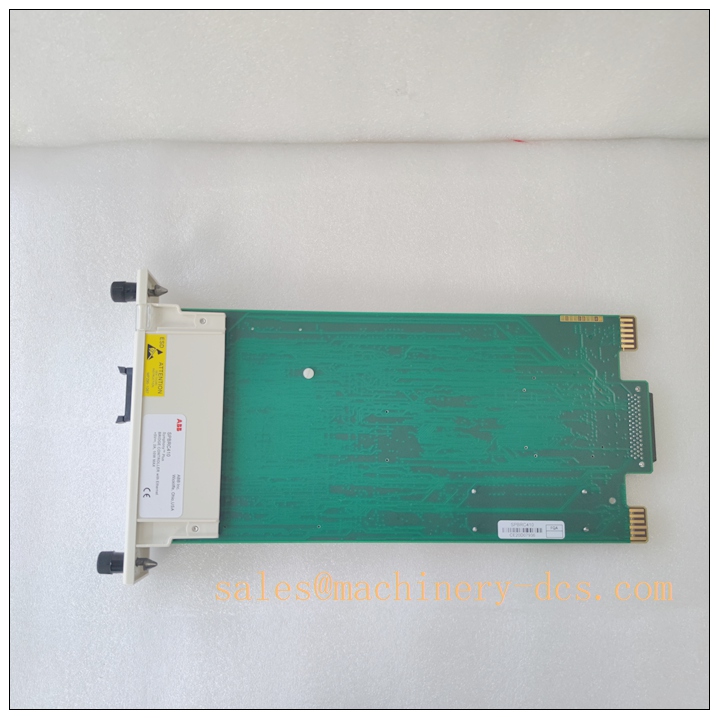
SPBRC410 Product Technical Specification & Operation Manual
Product Title
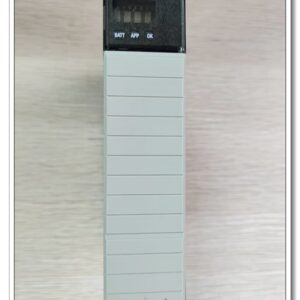
SPBRC410 High-Precision Intelligent Signal Conversion & Isolation Module
Core Product Introduction
The SPBRC410 is a high-performance, industrial-grade signal isolation and conversion module independently developed for automated industrial control systems. Designed to address signal interference, signal attenuation, and voltage mismatch issues in complex industrial environments, this module achieves precise isolation, conversion, and stable transmission of analog and digital signals.
Featuring a compact integrated structure, ultra-low power consumption, and strong anti-interference capability, the SPBRC410 supports long-distance stable signal transmission. It effectively isolates circuit interference between the front-end sensor and back-end control equipment, protects core control units, and improves the overall stability and safety of the industrial control system. Adopting industrial-grade chip solutions and rigorous production processes, the module delivers outstanding durability and environmental adaptability, suitable for continuous and uninterrupted operation in harsh industrial scenarios.
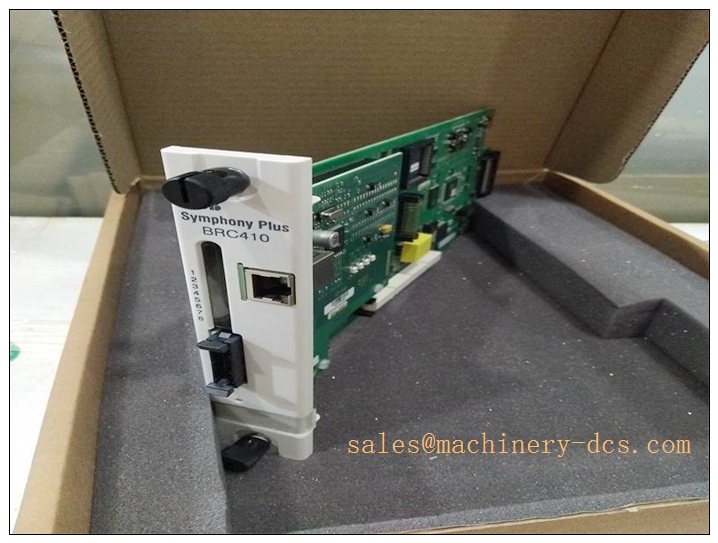
SPBRC410
Main Technical Specifications
3.1 Basic Electrical Parameters
- Working Voltage: DC 24V (allowable fluctuation range: DC 18V–30V)
- Operating Power Consumption: ≤1.5W (no-load state)
- Signal Input Range: Standard 4–20mA analog signal / 0–10V voltage signal
- Signal Output Range: Isolated 4–20mA / 0–10V standard industrial signal
- Conversion Accuracy: ±0.1% FS (full scale)
- Response Time: ≤10ms
3.2 Isolation & Anti-Interference Performance
- Isolation Voltage: 2500V AC (1min, withstand voltage test without breakdown)
- Isolation Mode: Complete electrical isolation between input, output and power supply
- Anti-Interference Level: Compliant with IEC61000-6-2 industrial electromagnetic compatibility standards
- Signal Drift: ≤0.05% FS/24h (long-term stable operation)
3.3 Environmental & Mechanical Specifications
- Operating Temperature: -20℃ ~ +60℃
- Storage Temperature: -40℃ ~ +85℃
- Working Humidity: 5%RH–95%RH (non-condensing)
- Installation Method: Standard DIN rail mounting
- Protection Grade: IP30
- Service Life: ≥80,000 hours of continuous operation
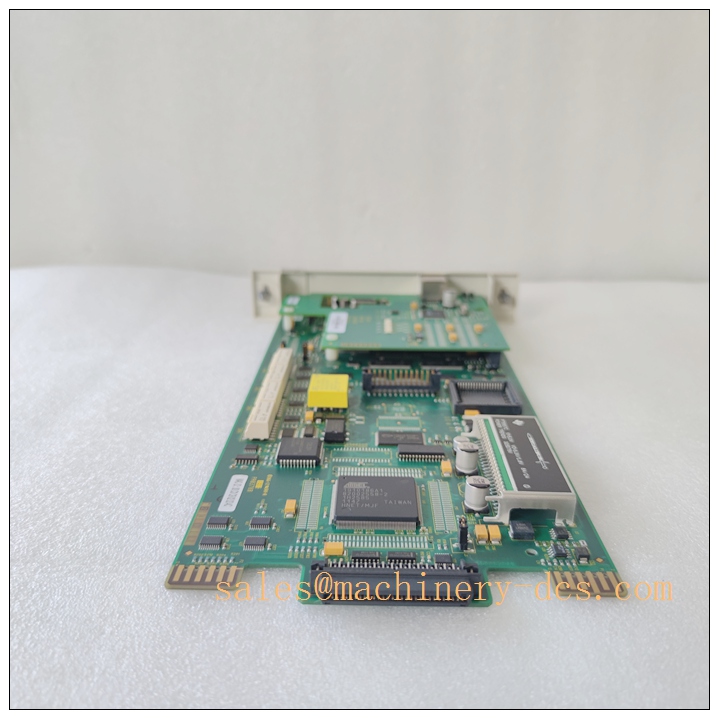
SPBRC410
Recommended Models of the Same Series
The SPBRC series covers multi-specification signal processing modules to meet differentiated industrial control demands, with consistent compatibility and technical standards. The recommended models are as follows:
- SPBRC408: Miniature single-channel signal isolation module. Features ultra-compact size and low power consumption, suitable for limited-space installation scenarios with basic signal conversion and isolation requirements.
- SPBRC412: Dual-channel isolated signal conversion module. Supports simultaneous independent input and output of two groups of signals, improving system integration and applicable for multi-signal parallel control systems.
- SPBRC416: High-precision enhanced signal processing module. Adopts upgraded chip algorithm, with conversion accuracy up to ±0.05% FS, suitable for high-precision detection and control scenarios such as precision chemical and pharmaceutical industries.
- SPBRC420: Wide-temperature industrial signal module. Optimized for extreme temperature environments, supporting stable operation at -30℃ ~ +70℃, suitable for outdoor industrial equipment and metallurgical high-temperature scenarios.
Professional Quality Control & Test Standard Operating Procedures (SOP)
5.1 Raw Material Inspection Standard
All core components (industrial chips, isolation transformers, precision resistors and capacitors) must comply with international industrial grade standards. Each batch of materials shall undergo sampling inspection for electrical performance, temperature resistance and stability. Unqualified materials are strictly prohibited from entering the production line, with a sampling inspection rate of 100% for key components.
5.2 Semi-Finished Product Testing Procedure
After welding and assembly, all modules shall undergo initial power-on testing, functional signal conversion testing, and preliminary isolation performance testing. Defective products such as signal distortion, no output, and poor isolation shall be screened out and reworked or scrapped. The pass rate of semi-finished products must reach 100% before entering the aging test stage.
5.3 Aging Test Standard
All finished products shall undergo 72-hour continuous power-on aging testing under standard industrial temperature (25℃) and high and low temperature alternating conditions. During the aging process, real-time monitoring of signal conversion accuracy, power consumption stability and anti-interference performance is carried out to eliminate early failure products.
5.4 Finished Product Inspection Standards
Finished products shall complete full-item performance testing, including electrical parameter calibration, isolation voltage withstand test, response speed test, and electromagnetic compatibility test. All indicators must meet the design specifications and IEC international industrial standards. Each product is equipped with an independent test report and quality traceability code.
5.5 Quality Certification Compliance
This series of modules complies with CE, RoHS and industrial EMC certification standards, and implements ISO9001 quality management system in the whole production process to ensure consistent product quality and reliable batch stability.
SPBRC410
New Module Installation Guidelines
6.1 Pre-Installation Preparation
Before installation, confirm that the module model matches the equipment demand, check the integrity of the module appearance (no damage, no loose components), and verify the intactness of wiring terminals and accessories. Cut off the power supply of the entire control system to avoid electric shock or equipment burnout during installation. Prepare standard industrial wiring tools and multimeter for circuit inspection.
6.2 Step-by-Step Installation Operation
First, fix the SPBRC410 module on the standard DIN rail of the control cabinet, ensure the module is firmly clamped without shaking. Then conduct wiring in strict accordance with the wiring diagram: connect the front-end sensor signal line to the input terminal, connect the back-end PLC/controller equipment to the output terminal, and access the DC24V power supply line correctly. After wiring, check all circuits to avoid wrong wiring, reverse connection or virtual connection.
6.3 Post-Installation Debugging
After confirming the correct wiring, power on the system slowly. Observe the module indicator status: the power indicator is normally on, and the signal indicator flashes normally with signal input. Use a multimeter to detect the input and output signal values, calibrate the signal conversion accuracy, and confirm that the module works stably without signal delay or distortion. Complete the installation and debugging after 30 minutes of stable operation test.
Application Scenarios & Product Features
7.1 Main Application Scenarios
- Industrial Automated Production Line: Applied to signal transmission and isolation of sensors such as temperature, pressure, flow and displacement, ensuring stable transmission of detection signals in automated assembly, packaging and processing lines.
- Petrochemical & Energy Industry: Used in flammable, explosive and strong electromagnetic interference environments such as oil fields, chemical plants and power plants, isolating circuit interference and improving system operation safety.
- Environmental Monitoring System: Matches with water quality, air quality and environmental detection sensors to realize accurate conversion and long-distance transmission of monitoring signals, supporting environmental data real-time monitoring.
- Building Intelligent Control: Applied to HVAC, lighting and security monitoring systems, realizing stable signal interaction between front-end detection equipment and back-end control system.
- Metallurgy & Machinery Manufacturing: Adapts to high-temperature and strong-vibration industrial environments, providing reliable signal protection for heavy industrial control equipment.
7.2 Core Product Features
- Strong Isolation & Anti-Interference: Three-way complete isolation design effectively suppresses industrial electromagnetic interference and ground loop interference, avoiding signal fluctuation and data error.
- High Precision & Stability: Adopts professional signal processing algorithm and precision components, with ultra-low signal drift, ensuring long-term high-precision signal conversion.
- Wide Environmental Adaptability: Supports wide temperature and humidity range operation, resistant to vibration and impact, suitable for various harsh industrial environments.
- Simple Installation & Compatibility: Standard DIN rail installation, plug-and-play wiring design, compatible with all mainstream industrial PLC and control systems on the market.
- Safe & Durable: Over-voltage, over-current and reverse connection protection design, effectively protecting equipment circuits and extending service life.
Frequently Asked Questions (FAQ)
- Q1: The module power indicator is off after power-on? A1: Check whether the DC24V power supply voltage is normal, confirm no reverse power wiring or loose wiring. If the power supply is normal and the indicator is still off, it is a module hardware failure, please contact after-sales service for replacement.
- Q2: No signal output after module operation? A2: First confirm whether the front-end sensor has normal signal input; check whether the input and output wiring terminals are in poor contact. If the wiring is normal, restart the module for debugging. Long-term no output indicates internal circuit failure.
- Q3: Signal data fluctuation and inaccurate conversion? A3: It may be affected by on-site electromagnetic interference or unstable power supply. It is recommended to check the grounding state of the control cabinet, avoid parallel wiring of power line and signal line, and recalibrate the signal parameters.
- Q4: Can the module work in high-temperature outdoor environment for a long time? A4: The standard SPBRC410 is suitable for -20℃~+60℃ indoor industrial environment. For long-term high-temperature outdoor scenarios, it is recommended to select the SPBRC420 wide-temperature model and install protective equipment such as waterproof and sunshade covers.
- Q5: Is the module compatible with non-standard signal equipment? A5: The module only supports standard 4–20mA / 0–10V industrial signals. For non-standard special signals, customized signal conversion modules can be provided according to actual demand.
- Q6: How to carry out daily maintenance of the module? A6: Regularly clean the dust on the module surface and wiring terminals, check whether the wiring is loose, and avoid long-term overvoltage operation. No special maintenance is required for daily use; regular signal calibration is recommended every 6 months for high-precision scenarios.

 Start Chat


 Send an Email