
Description
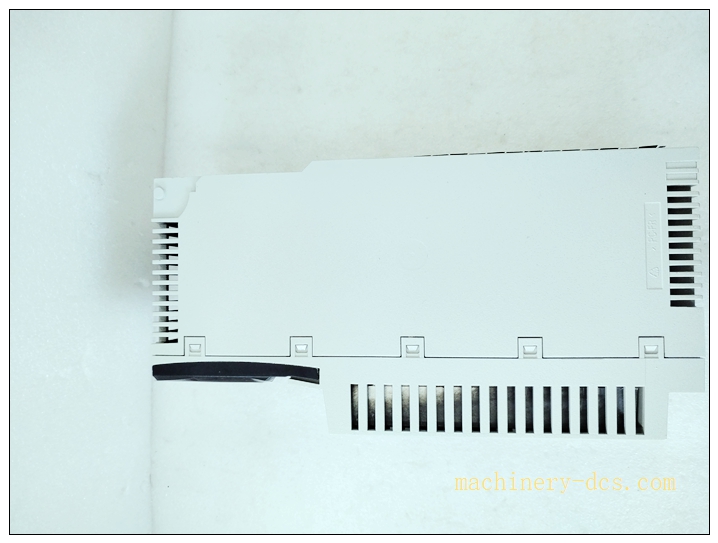
Schneider Electric 140CPU67160 Modicon Quantum Unity Hot‑Standby Redundant Processor, Multimode Fiber Sync Port
Product Detailed Information
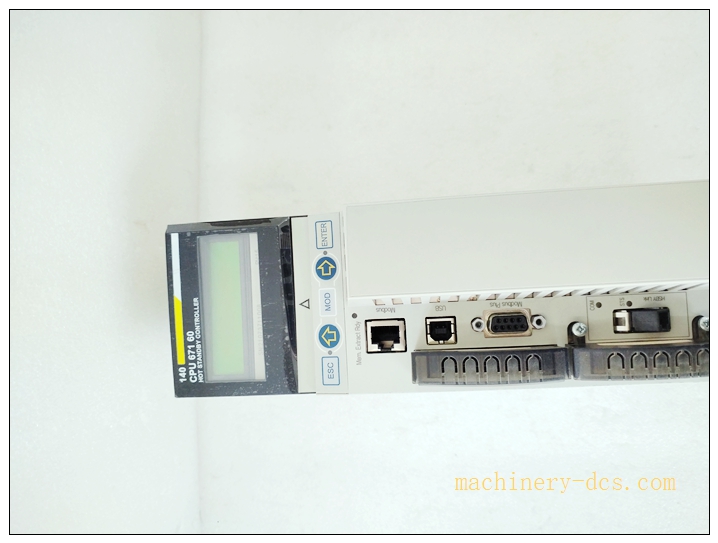
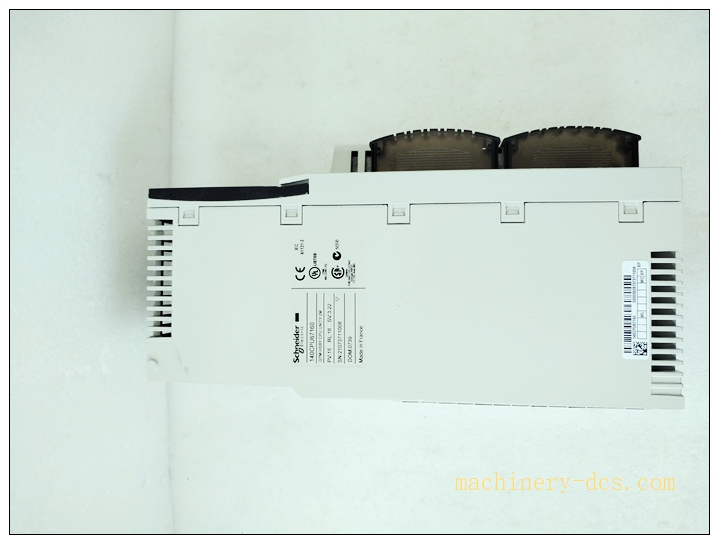
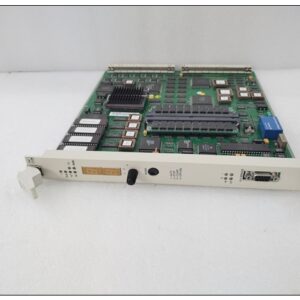
The 140CPU67160 is a high‑performance Unity‑based hot‑standby (HSBY) redundant CPU for Modicon Quantum PLC platform. Built around 266 MHz PowerPC 603e processor, it delivers bumpless automatic primary‑to‑standby switch‑over for high‑availability process‑critical control systems. It integrates multimode MT‑RJ fiber‑optic synchronization port for CPU‑to‑CPU hot‑standby data mirroring, together with Modbus‑Plus (SUB‑D9), Modbus serial (RJ45), USB programming port and 10/100 Mbps Ethernet TCP/IP interface. Internal RAM is 1024 kB (512 kB data); program memory expandable via PCMCIA flash card. Front‑panel 2×16 LCD display and multi‑LED array provide runtime status, fault diagnostics and system information. Hot‑swap capable under controlled plant conditions. OEM production ended Dec‑31‑2018, official end‑of‑service Dec‑31‑2026; NOS surplus, calibrated refurbished and field‑pulled spare modules support legacy plant life‑extension maintenance施耐德电气.
140CPU67160
Technical Parameters
| Item | Specification |
|---|---|
| Manufacturer | Schneider Electric |
| Model | 140CPU67160 |
| Product Status | OEM Discontinued, service support until 31‑Dec‑2026, spare‑part‑only supply施耐德电气 |
| Processor | PowerPC 603e, 266 MHz clock frequency |
| Internal RAM | 1024 kB total (512 kB for data memory) |
| Expandable Memory | Up to 7168 kB program memory, 8 MB file storage via PCMCIA card |
| Hot‑Standby Sync Interface | MT‑RJ multimode fiber; max sync distance 4 km between paired CPUs |
| On‑board Communication | 1× Modbus‑Plus SUB‑D9 female; 1× Modbus RTU/ASCII RJ45; 1× USB‑B programming; 1× 10/100 Base‑TX Ethernet TCP/IP |
| I/O Capacity | Max 31 S908 RIO remote drops; max 63 distributed Modbus‑Plus stations; Hot‑Standby mode prohibits local rack I/O usage |
| Execution Performance | ~10.28 K boolean instructions per millisecond |
| Backplane Current Draw | 2500 mA from Quantum rack backplane |
| Backup Memory | Lithium battery 990XCP98000 for RAM data retention (typical 10‑year service life) |
| Mounting | Rack‑slot mount inside Modicon Quantum backplane chassis |
| Indicators | Front‑panel 2×16‑character LCD; status LEDs for Run, Fault, COM, Sync status |
| Operating Temperature | 0 ℃ ~ +60 ℃ (indoor cabinet installation) |
| Storage Temperature | ‑40 ℃ ~ +85 ℃ |
| Humidity | 5‑95 % RH non‑condensing |
| Weight | ≈0.91 kg |
| Certifications | CE, UL, CSA, Marine‑type approval |
| Configuration Software | EcoStruxure Control Expert (legacy Unity Pro XL) |
Compatibility & Installation Traps
Compatibility
- Modicon Quantum rack chassis, 140XBP series backplane, Quantum power‑supply modules
- Paired identical 140CPU67160 CPU for hot‑standby redundant system; mismatched CPU model cannot establish HSBY synchronization
- S908 RIO adapters (140CRA93100 / 140CRA93200), Modbus‑Plus network, Quantum remote I/O drops
- MT‑RJ multimode fiber cable for CPU‑CPU hot‑standby sync link; PCMCIA memory card; backup lithium battery 990XCP98000
Critical note: Local rack I/O slots are forbidden in hot‑standby architecture; all field I/O must be deployed on remote RIO racks. Firmware revision of primary and standby CPU must match exactly; firmware mismatch breaks synchronization and causes switch‑over failure. This is dedicated hot‑standby CPU; standard Quantum CPUs cannot be upgraded to support HSBY function via software only.
Installation Traps
- Hot‑standby fiber TX‑RX cross‑connection: MT‑RJ multimode fiber sync ports must cross‑transmit / cross‑receive between primary and standby CPU. Mis‑wiring leads to total synchronization failure and redundancy loss. Never use single‑mode fiber for HSBY link.
- Firmware strict matching: Primary and standby CPU firmware version must be identical. Different firmware revision triggers sync fault, incomplete data mirroring and unpredictable bumpless‑switch‑over behavior.
- Hot‑swap operational risk: Module physical hot‑swap is hardware‑supported, but removing active primary CPU triggers system switch‑over. Execute swap only under controlled operating conditions with proper permit; avoid during critical process transient phases.
- Local I/O prohibition for HSBY: Do not install discrete / analog I/O modules inside the same local rack as CPU pair in hot‑standby project; local‑rack I/O is unsupported and leads to logic inconsistency.
- Battery expiry risk: Lithium backup battery 990XCP98000 preserves RAM data on power loss. Expired battery causes full data loss on power‑cycle; schedule periodic battery replacement.
- ESD vulnerability: Backplane connector, USB and fiber transceiver circuits are static‑sensitive. ESD wrist‑strap mandatory for module handling; invisible ESD damage causes sporadic sync fault or communication dropout.
- Part‑number suffix validation: Confirm full marking 140CPU67160. Variants like 140CPU67160C (conformal coated) / 140CPU67160S (safety version) carry different specifications and cannot direct swap without project re‑validation.
- Post‑replacement mandatory actions: After CPU replacement, download complete project, match firmware version, verify hot‑standby synchronization status, perform manual switch‑over test. New spare CPU does not retain user application program.
140CPU67160
Standard Operating Procedure (SOP)
- Pre‑work: Perform plant lock‑out‑tag‑out for Quantum control rack. Evaluate process status; avoid CPU replacement during critical process transient. Apply proper bypass permit for safety interlock logic. Wear certified ESD anti‑static wrist strap.
- Data backup: Export complete project source file from EcoStruxure Control Expert / Unity Pro. Record CPU firmware revision, IP‑address settings, Modbus‑Plus node address, hot‑standby parameters; export system fault & event log. Document lithium‑battery status.
- Module removal: Record front‑panel LCD & LED status. Release front‑panel latch handle, pull target 140CPU67160 module straight out from Quantum CPU‑slot. Inspect backplane connector for bent pins, oxidation or contamination.
- Incoming inspection: Visually inspect spare 140CPU67160 module for PCB mechanical damage, front‑panel LCD integrity. Verify full part‑number marking and hardware / firmware revision. Check MT‑RJ fiber socket cleanliness.
- Mechanical mounting: Smoothly insert new CPU module into designated Quantum CPU‑slot; push fully home and close latch to guarantee full backplane contact. Install PCMCIA memory card and lithium backup battery if applicable.
- Cabling: Re‑connect MT‑RJ hot‑standby sync fiber with correct TX‑RX cross‑wiring. Re‑install Ethernet, Modbus‑Plus SUB‑D9, Modbus serial and USB cables. Verify protective‑earth bonding of rack chassis.
- Power‑on commissioning: Keep rack power energized. Wait for CPU boot‑up sequence. Upgrade / downgrade firmware so primary and standby CPU revisions are fully aligned. Download complete backed‑up project configuration. Verify hot‑standby synchronization status reaches “In‑Sync”. Clear historical fault buffer.
- Functional validation: Confirm front‑panel RUN LED steady‑ON, HSBY sync OK status. Execute manual primary‑standby switch‑over test, validate bumpless switch‑over without I/O freeze or process disturbance. Verify RIO remote‑I/O data refresh, Ethernet / Modbus‑Plus communication, alarm and diagnostic reporting. Cross‑check tag values on HMI / SCADA system. Confirm no persistent CPU‑fault, sync‑fault or network‑fault alarms.
- Documentation: Update plant maintenance log, archive project source file, firmware‑version, battery status and switch‑over test‑result records. Properly package defective removed CPU module. Release lock‑out‑tag‑out permit only after full acceptance‑test successfully completed.
Application Scenarios
‑ Power‑generation, oil‑gas, petrochemical, chemical process high‑availability redundant PLC control systems ‑ Critical process automation requiring bumpless hot‑standby CPU switch‑over to avoid unplanned shutdown ‑ Large‑scale remote‑I/O deployment via S908 RIO and Modbus‑Plus distributed network ‑ Legacy Modicon Quantum platform preventive maintenance & life‑extension retrofit projects
Matching & Supporting Components
- Modicon Quantum rack chassis, Quantum power‑supply modules, 140XBP backplane
- Matched‑pair 140CPU67160 for hot‑standby system; MT‑RJ multimode fiber cable for HSBY sync
- 990XCP98000 lithium backup battery; PCMCIA flash memory card
- EcoStruxure Control Expert (Unity Pro XL) engineering software
- ESD‑shielded anti‑static storage bag for spare‑CPU storage
Brand‑Related Alternative & Recommended Models
- 140CPU67160C: Conformal‑coated variant for corrosive high‑humidity cabinet environment
- 140CPU67160S: Safety‑certified hot‑standby CPU, safety project‑specific, cannot direct swap for standard HSBY system
- Modicon M580 BMEH584040: Modern redundant CPU platform, recommended for full‑system migration projects

 Start Chat


 Send an Email