
Description
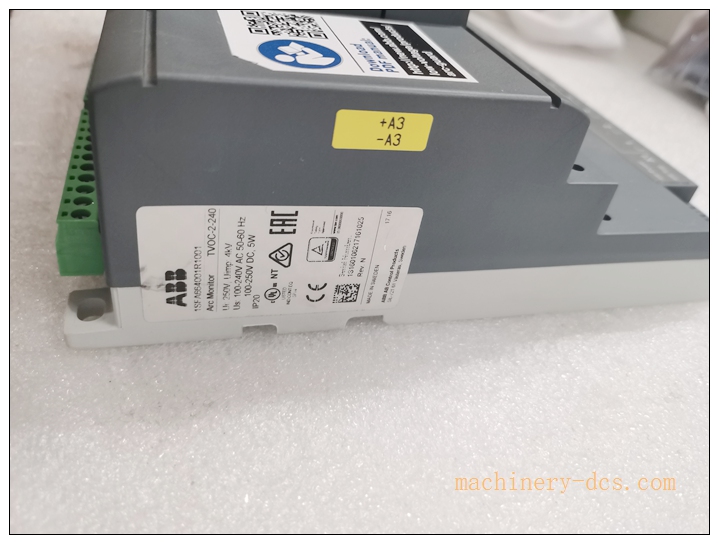
ABB TVOC-2-240 Arc Protection System
Product Title
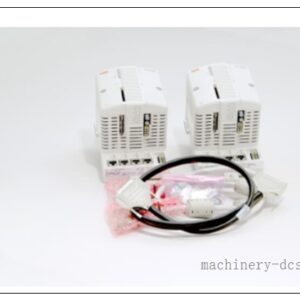
ABB TVOC-2-240 Main Control Unit for TVOC-2 Arc Flash Protection System, Multi-zone Optical Arc Detection Relay for Medium/Low Voltage Switchgear
Product Core Overview
The TVOC-2-240 is the primary master controller of ABB TVOC-2 series arc flash protection systems, designed specifically for fast arc fault detection and mitigation in industrial MV and LV switchgear assemblies. Utilizing high-sensitivity optical fiber sensing technology combined with current threshold verification logic, the unit detects intense light radiation generated by internal arc faults and executes ultra-fast breaker tripping actions within microseconds.
Equipped with 10 native optical monitoring channels, the main unit supports system expansion via external extension modules to maximize 30 optical detection points, enabling full coverage of multiple cabinet compartments, busbar zones, and cable chambers. The integrated zone-selective tripping logic ensures targeted fault isolation, avoiding unnecessary full-system outage. With built-in local HMI, event logging, and self-diagnostic functions, the TVOC-2-240 provides reliable arc fault protection, minimizing equipment damage, fire hazards, and personnel injury caused by explosive arc flash energy in power distribution systems. This unit is widely deployed in critical industrial power distribution infrastructure with SIL2 functional safety certification.
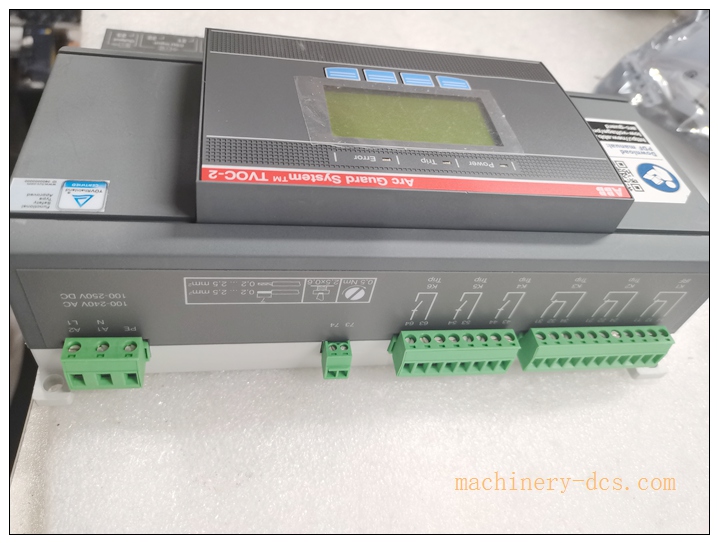
TVOC-2-240
Related Series & Model Recommendations (8+ Models)
The series covers multi-specification main units, extension modules, optical sensors and auxiliary accessories for full arc protection system configuration:
- TVOC-2-240: Standard main unit, 100–240 VAC/VDC power, no communication interface, basic arc protection function
- TVOC-2-240-C: Communication version, integrated Modbus-RTU for SCADA/DCS remote monitoring
- : Low-voltage main unit, 24–48 VDC power supply, no communication
- : 24–48 VDC powered main unit with Modbus-RTU communication
- : Multi-channel extension module, expands additional optical detection channels for system capacity upgrade
- : 50cm fiber optic arc light sensor for narrow cabinet compartment installation
- : 100cm fiber optic arc sensor for busbar and large cabinet coverage
- : 200cm long-distance optical sensor for multi-section switchgear monitoring
- CSU Current Sensing Unit: Auxiliary current detection module, provides current threshold interlock to avoid false tripping
- : Independent replacement HMI panel for door-mounted operation and display
Professional Quality Control & Factory Test Procedures
All units undergo strict standardized end-of-line testing and environmental screening to ensure functional safety and long-term operational stability:
- Visual & Mechanical Inspection: Full inspection of housing structure, terminal crimping, fiber interface integrity, HMI display, and laser marking; serial number registration for full lifecycle traceability.
- Full-range Power Supply Test: Verify stable operation under minimum and maximum AC/DC rated voltage to validate power adaptability and anti-fluctuation capability.
- Channel-by-channel Optical Function Test: Simulate standard arc light signals for all 10 native optical channels to verify sensitivity, signal acquisition accuracy and uniform response.
- Ultra-fast Trip Timing Test: Calibrate trip response delay of solid-state outputs to ensure trip action completes within 1ms, meeting industrial fast protection standards.
- Zone Selective Logic Test: Simulate multi-zone arc faults to verify independent zone judgment, selective tripping and fault zone positioning accuracy.
- HMI & Event Log Verification: Test parameter modification, data display, fault recording and historical event query functions to ensure complete on-site diagnosis capability.
- Extension Compatibility Test: Conduct joint debugging with -EXT extension modules to verify expanded channel identification and synchronous operation.
- Environmental Stress Screening: Perform cyclic temperature testing across full operating temperature range to verify thermal stability and component reliability.
- EMC Electromagnetic Compatibility Test: Simulate industrial field electromagnetic interference environment to ensure no malfunction or false tripping under strong EMI conditions.
- Final Full-function Validation & Data Archiving: Complete overall system function inspection; bind all test reports with unit serial number for factory release and after-sales traceability.
New Module Installation & Commissioning Guide
6.1 Pre-installation Preparation
Inspect the unit for transportation damage, confirm part number and serial number consistency with purchase documents. Prepare matched optical fiber sensors, CSU current units, extension modules and communication cables. Verify cabinet power-off and lockout-tagout safety procedures before construction.
6.2 Mechanical Installation
the main unit on standard DIN rail or cabinet mounting panel. Install the detachable HMI on the cabinet door via dedicated mounting accessories. Arrange extension modules adjacent to the main unit for neat wiring and signal stability.
6.3 Electrical & Optical Wiring
Connect AC/DC control power supply according to rated range. Lay optical fiber sensors inside switchgear compartments, busbar rooms and cable chambers, strictly following fiber bending radius requirements to avoid optical signal attenuation. Wire trip output contacts to corresponding circuit breaker trip loops, and connect CSU current sensing signal cables. Complete reliable cabinet grounding to enhance anti-interference performance.
6.4 System Commissioning
Power on the system and confirm normal power indicator status. Complete zone division, optical channel mapping, arc light threshold and current threshold configuration via local HMI. Simulate arc fault signals for each detection zone to verify accurate alarm and selective tripping action. Check event log recording function and backup system parameters. For communication version models, complete Modbus-RTU debugging to realize remote data upload.
Application Scenarios & Product Features
7.1 Application Scenarios
The arc protection system is widely applied in medium and low voltage power distribution switchgears of thermal power plants, petrochemical industries, oil & gas fields, data centers, mining industries, offshore platforms and industrial critical power systems. It provides essential arc fault safety protection for key power distribution equipment requiring high operational reliability.
7.2 Core Product Features
- Ultra-fast Protection Speed: Millisecond-level tripping effectively reduces arc flash energy and avoids equipment burnout and explosion accidents.
- Multi-zone Selective Protection: Supports independent zone judgment and targeted tripping to minimize power outage scope.
- Dual Judgment Logic: Combines optical arc signal and current threshold detection to eliminate false tripping risks.
- Flexible Capacity Expansion: Supports multi-stage extension modules to adapt to various cabinet quantities and complex layouts.
- Complete Self-diagnosis: Real-time monitoring of optical fiber breakage, module faults and loop abnormalities with automatic alarm recording.
- SIL2 Functional Safety Certification: Complies with international functional safety standards for industrial safety power distribution systems.
- Strong Environmental Adaptability: Wide temperature operating range and excellent EMC performance for harsh industrial environments.
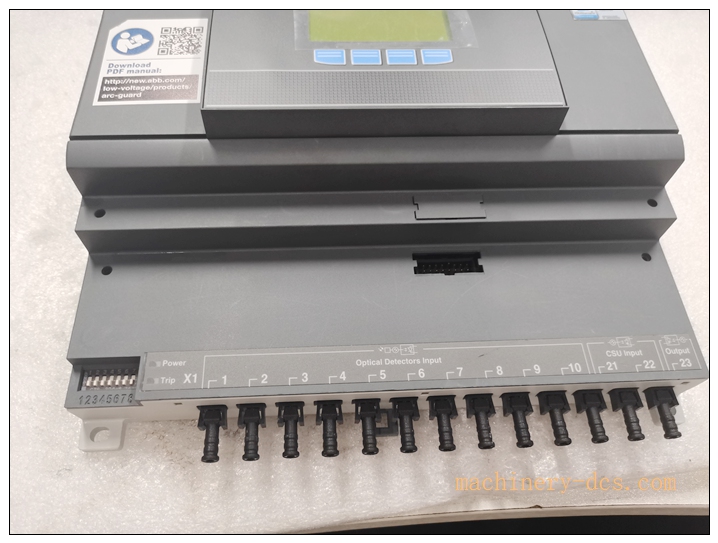
TVOC-2-240
Frequently Asked Questions (FAQ)
Q1: What is the differenand -C?
A: Theard has no built-in communication function and only supports local HMI operation. The -C variant integrates Modbus-RTU communication interface, enabling real-time data transmission, remote monitoring and fault event uploading to SCADA/DCS systems.
Q2: How many arc optical sensors can a single main unit support?
A: The main unit has 10 native optical channels. With two -EXT extension modules, the maximum system detection capacity can be expanded to 30 optical monitoring points.
Q3: Why adopt dual judgment of light and current for arc protection?
A: Single optical detection is susceptible to ambient light interference. The combination of arc light signal and abnormal current threshold judgment effectively filters external interference and ensures protection accuracy without false operation.
Q4: What is the advantage of zone selective tripping?
A: It accurately locates the fault compartment and only trips the corresponding faulty branch, retaining power supply for healthy zones, greatly improving power supply continuity and system stability.
Q5the work in high electromagnetic interference industrial sites?
A: Yes. The system passes strict EMC electromagnetic compatibility tests. Optical fiber signal transmission completely isolates electrical interference, ensuring stable operation in high-noise industrial environments.
Q6: Is on-site disassembly and maintenance allowed?
A: No. The unit is factory-calibrated and safety-certified integrated equipment. Unauthorized disassembly will void SIL safety certification and official warranty. Defective units shall be returned to ABB authorized service centers for professional maintenance.
Q7: What causes arc protection false alarms?
A: Common causes include damaged optical fiber, unreasonable threshold parameter setting, strong ambient light interference, and abnormal current fluctuation. Standard commissioning and regular fiber inspection can effectively avoid false alarms.

 Start Chat


 Send an Email