
Description
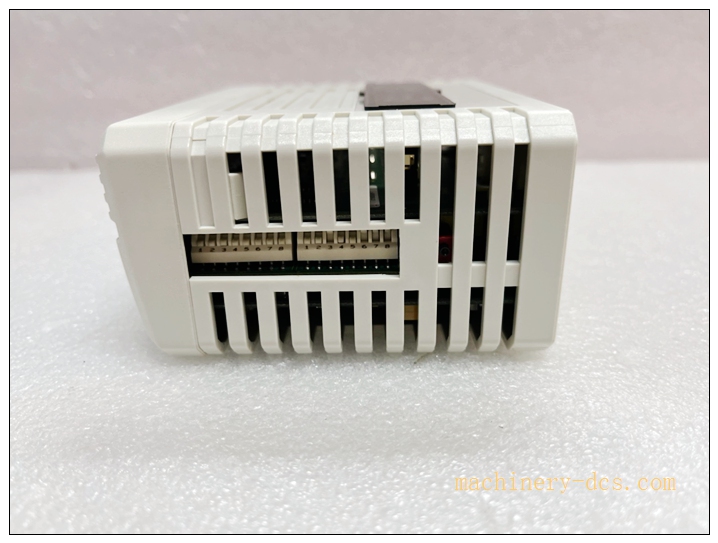
ABB CP800 Communication Processor Module for HPC800 / Symphony Plus Harmony DCS System
Product Detailed Description
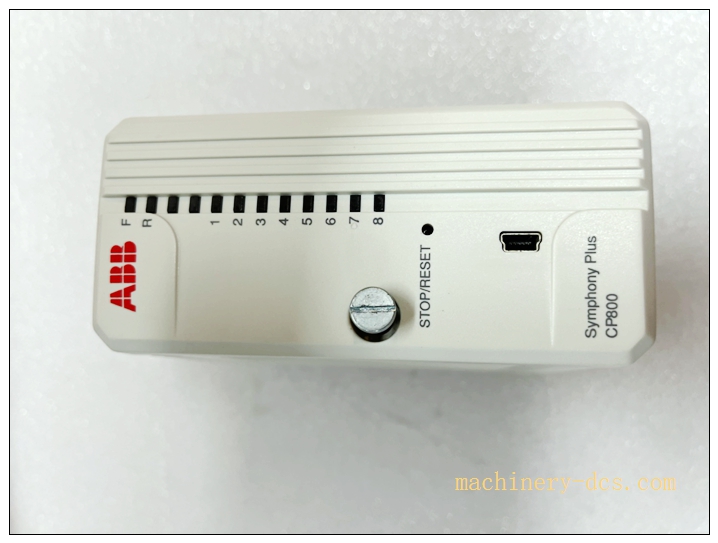
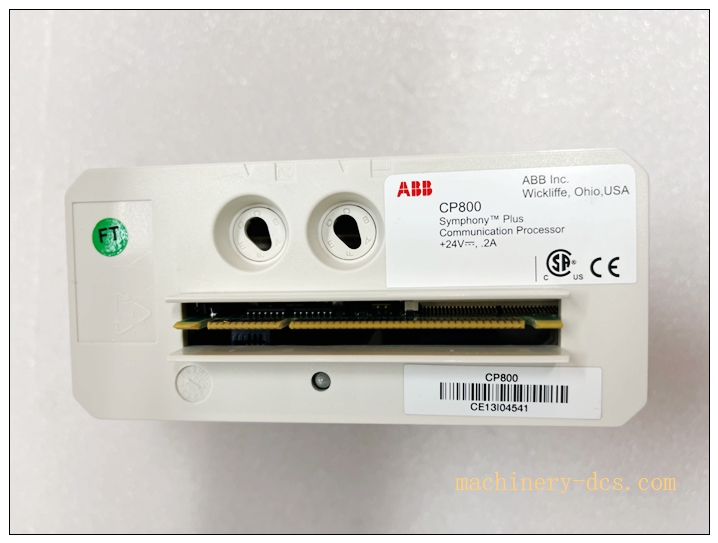
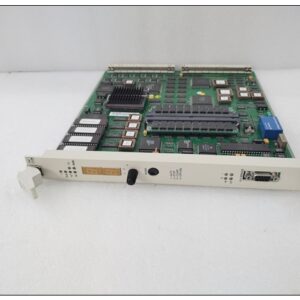
CP800 is a dedicated plant‑network communication processor module paired with HPC800 controller in ABB Symphony Plus Harmony DCS platform, manufactured in Sweden. Working alongside HC800 control processor, it handles PN800 plant network traffic, inter‑controller peer‑to‑peer data exchange, HMI/SCADA uplink and multi‑protocol fieldbus gateway functions. It implements PRP parallel redundancy protocol for fault‑tolerant plant Ethernet communication, offloads heavy communication workload from HC800 to improve real‑time control determinism. Hot‑swap capable, equipped with multi‑channel status LED indicators and front‑panel reset switch. It supports standalone and dual‑redundant HPC800 controller configurations. Original OEM production is discontinued; available stock includes new‑old‑stock, refurbished and field‑pulled spare units for power, petrochemical plant legacy‑asset life‑extension maintenance projects.
CP800
Technical Parameters
| Item | Specification |
|---|---|
| Manufacturer | ABB (Sweden) |
| Model | CP800 |
| System Platform | Symphony Plus Harmony, HPC800 controller series |
| Product Status | OEM Discontinued, spare‑part‑only supply |
| Processor | 32‑bit ColdFire, 256 MHz |
| Memory | 64 MB DRAM, 4 MB ROM |
| Main Interfaces | 1 × PN800 Plant Network Ethernet(10/100Mbps); 1 × RS‑232/RS‑485 serial port; internal Harmony backplane bus towards HC800 |
| Supported Protocols | PRP‑0, Modbus‑TCP, Modbus‑RTU, Profibus‑DP, IEC‑61850 |
| Redundancy Support | Supports dual‑redundant HPC800 controller peer‑to‑peer synchronization, bumpless fail‑over |
| Power Supply | 24 VDC ±10 %, typical consumption 10 W, powered via HPC800 backplane bus |
| Mounting | DIN‑rail mounting inside base unit |
| Operating Temperature | ‑25 °C ~ +55 °C |
| Storage Temperature | ‑40 °C ~ +85 °C |
| Humidity | 5‑95 % RH non‑condensing |
| Protection Class | IP20 cabinet‑only installation |
| Dimension | 119 mm(W) × 93.6 mm(H) × 200 mm(D) |
| Weight | Approx. 0.5 kg |
| Certifications | IEC 61010‑1, UL, CE, ISA‑S71.04 industrial standard |
| Programming Tool | S+ Engineering (Symphony Plus Engineering tool) |
Compatibility & Installation Pitfalls
Compatibility
- ABB controller base unit, must work together with HC800 control processor; cannot run standalone
- PN800 plant network, S800 / SD series remote I/O stations
- Dual‑redundant hot‑standby architecture
- S+ Operations HMI, SCADA hosts, third‑party Modbus / Profibus field devices
Critical note: CP800 is communication co‑processor, not stand‑alone CPU. It cannot substitute HC800. Firmware revision must strictly match HC800 firmware; mismatched firmware breaks PN800 network and inter‑controller data exchange.
Installation Pitfalls
- Firmware synchronization risk: When replacing CP800 in rack, firmware revision must be identical to paired . Version inconsistency causes PN800 communication dropout, tag data loss and redundancy synchronization failure.
- Redundant pair replacement constraint: In dual‑redundant setup, both CP800 modules must run identical firmware. Mismatch will disable bumpless fail‑over.
- Hot‑swap limitation: Hardware supports hot‑swap, but avoid hot‑swap during critical plant transient conditions. For safety‑related loops, perform replacement under controlled plant operating status.
- Backplane contact risk: Ensure full DIN‑rail latch engagement. Heavy cabinet vibration induces intermittent Harmony‑bus contact, generating intermittent plant‑network communication faults.
- ESD vulnerability: Backplane connector and onboard communication circuits are static‑sensitive. ESD wrist‑strap is mandatory during handling; invisible ESD damage triggers random PN800 link flapping.
- Part‑number mis‑identification: Confirm marking . Strictly distinguish from (control processor); these two modules share same form‑factor but execute completely different functions and are non‑interchangeable.
- network configuration dependency: After swap‑out, verify PRP redundancy parameters, IP address table and inter‑controller peer list; factory default settings will not match existing plant configuration.
Standard Operating Procedure (SOP)
- Pre‑work: Apply plant lock‑out‑tag‑out procedure for related control segment. For redundant rack swap, confirm standby controller is healthy and ready to take‑over. Wear ESD anti‑static wrist strap.
- Data backup: Backup complete S+ Engineering project database, record current firmware revisions of & , IP address table, PRP network parameters and peer‑controller list.
- Module removal: Record front‑panel LED status before removal. Release DIN‑rail locking latch, extract communication processor. Inspect base backplane connector for bent pins or oxidation.
- Incoming inspection: Visual check spare unit housing for mechanical damage, verify full part‑number marking and hardware revision.
- Mechanical mounting: Clip new firmly onto DIN‑rail inside base unit, confirm locking latch fully engaged.
- Cabling: Re‑connect Ethernet and serial cables strictly follow original wiring drawing.
- Power‑on commissioning: Restore 24 VDC power supply. If firmware mismatch exists, perform firmware upgrade / downgrade to align with paired version. Download network configuration, IP settings and PRP redundancy parameters.
- Functional validation: Observe front‑panel status LED. Verify plant‑network link status, cross‑controller tag data exchange, HMI data refresh and fieldbus gateway function. For redundant configuration, execute active‑standby switch‑over test to confirm bumpless fail‑over without data loss. Confirm no plant‑network fault alarms.
- Documentation: Fill plant maintenance log, archive firmware and network‑parameter records. Properly package defective removed module. Release lock‑out‑tag‑out permit only after full acceptance test passed.
CP800
Application Scenarios
‑ Thermal power plant DCS: boiler, turbine auxiliary control plant‑network communication gateway ‑ Petrochemical refinery and offshore platform Symphony Plus DCS distributed plant‑network ‑ Chemical continuous‑process plant inter‑controller data exchange and third‑party field‑device integration ‑ Water‑supply & waste‑water treatment large‑scale distributed control network ‑ Legacy ABB Symphony system preventive maintenance & life‑extension retrofit projects
Matching & Supporting Components
- controller base unit, paired control processor
- plant‑network industrial shielded Ethernet cables
- S800 / SD series remote I/O stations
- S+ Engineering configuration software
- 24 VDC regulated industrial power supply
- PRP‑compliant network switches for redundant plant‑network
Brand‑Related Alternative & Recommended Models
- SPC800 series communication unit: New‑generation integrated communication unit for Symphony Plus SDe controller platform, not direct drop‑in replacement for
- PDP800: Independent Profibus‑DP communication interface module for extended field‑bus capacity
- SPCx00 controller family: Modern Symphony Plus controller hardware for full‑system migration projects

 Start Chat


 Send an Email