
Description
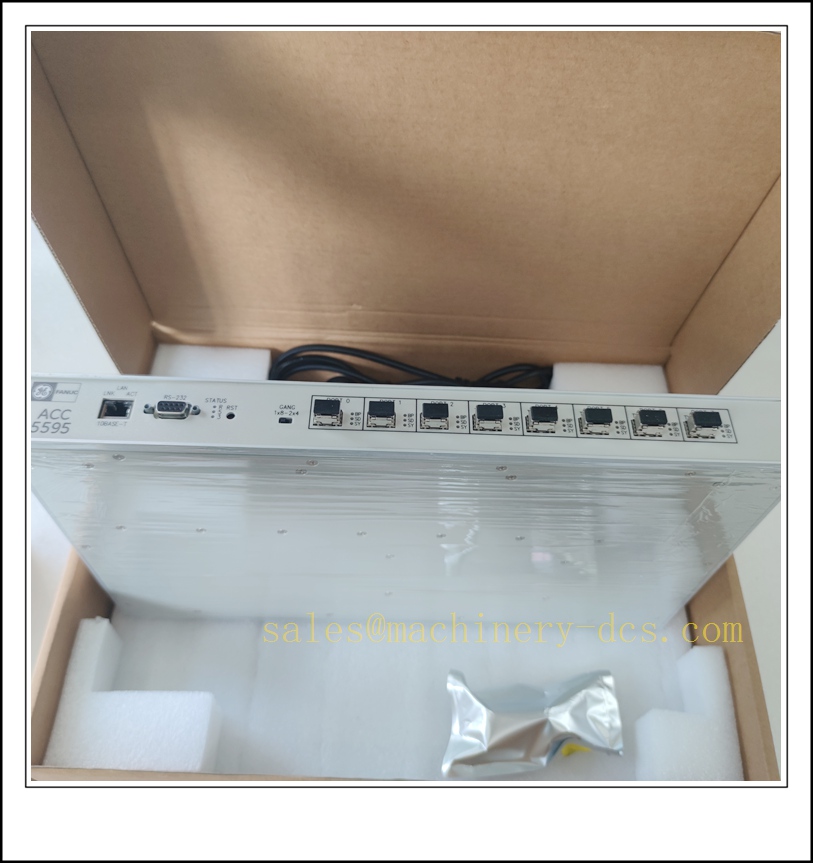
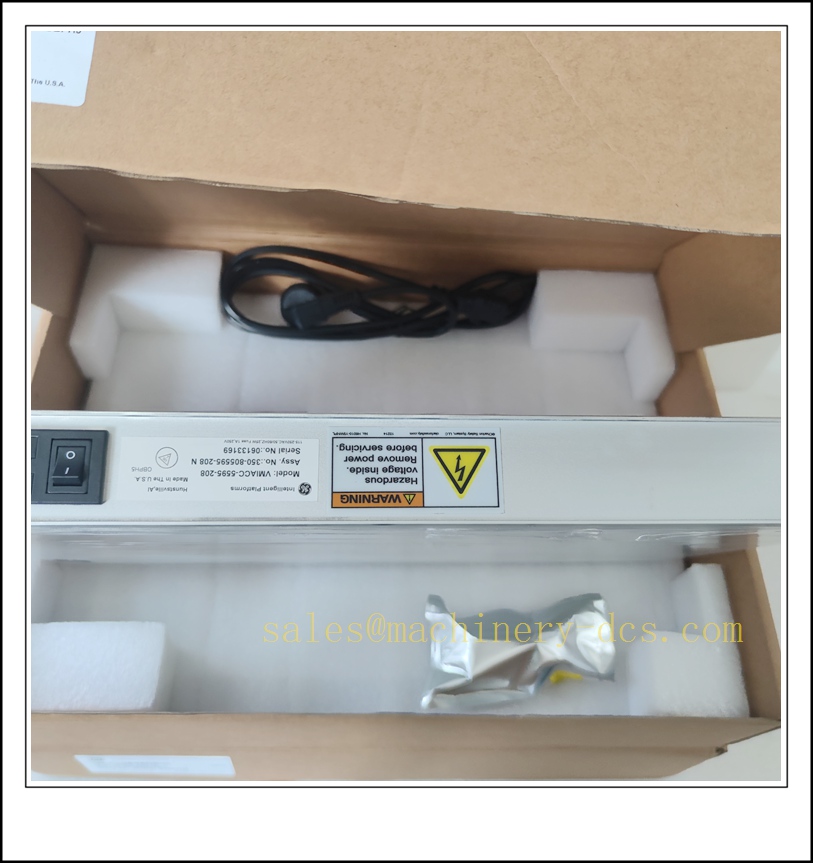
GE VMIC ACC-5595-208 Reflective Memory Hub
Product Core Introduction
ACC-5595-208 (part number 350-805595-208N) is a high-performance 8-port multi-mode reflective memory hub from GE VMIC 5595 series, originally developed by Abaco Systems. As the deterministic data sharing backbone for real-time industrial control systems, it delivers zero-latency global memory mirroring across all connected nodes, eliminating the non-deterministic delay of standard Ethernet TCP/IP protocols. Designed for mission-critical scenarios where microsecond-level synchronization is mandatory, it ensures all distributed nodes access identical real-time data simultaneously, making it the industry standard for high-speed simulation, aerospace test benches and heavy industrial turbine control systems.
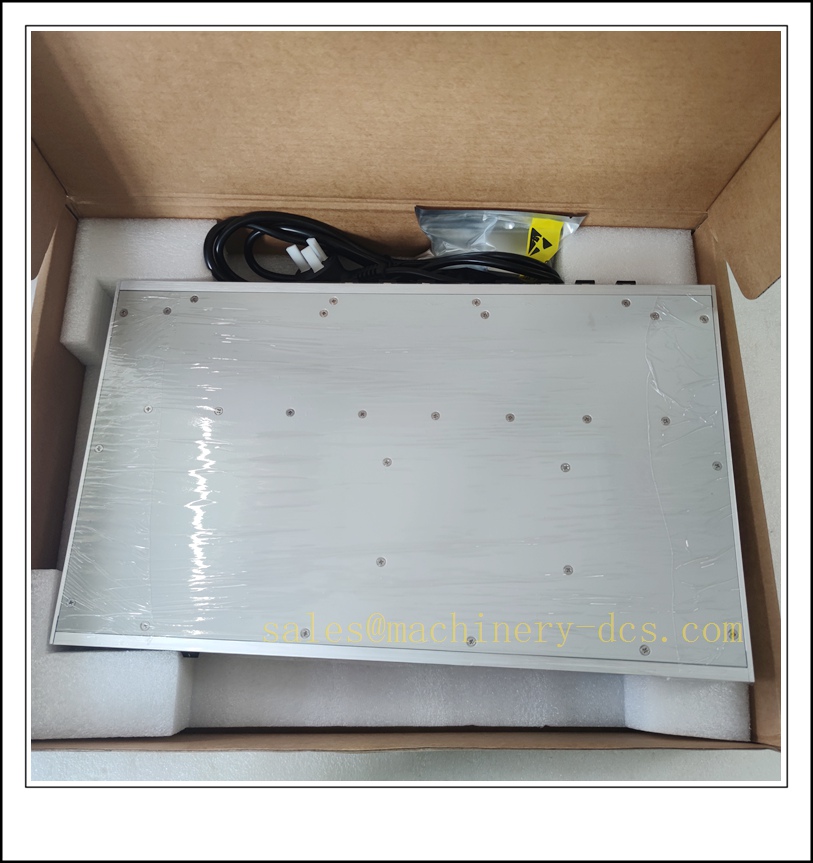
ACC-5595-208
Key Technical Specifications
| Parameter | Specification |
|---|---|
| Full Product Designation | GE VMIC ACC-5595-208 Reflective Memory Hub |
| Original Manufacturer | Abaco Systems (formerly GE Intelligent Platforms / VMIC) |
| Network Technology | Reflective Memory deterministic data sharing |
| Maximum Data Transfer Rate | 2 Gbps full-duplex per port |
| Fiber Port Configuration | 8 multi-mode fiber optic ports, supporting star topology |
| Electrical Isolation | Full electrical isolation on all fiber channels, eliminating ground loop interference |
| Operating Temperature Range | -40°C to +85°C |
| Installation Method | DIN rail or 19-inch standard rack mount |
| Management Interfaces | 10/100Mbps Ethernet (TCP/IP), RS-232 serial console port |
| Diagnostic Features | Per-port LED status indicators, automatic bypass fault detection |
| Power Supply | 10-30 VDC wide range industrial input |
| Standard Warranty | 12 months from delivery |
| Supply Status | Discontinued original spare part, available via certified industrial automation spare part distributors |
6 Recommended Compatible Models in the Same Series
- ACC-5595-204: 4-port multi-mode reflective memory hub, cost-optimized for small 4-node real-time network applications
- PCI-5565PIORC: 2 Gbps PCI reflective memory node card, native direct compatibility with ACC-5595-208 network protocol
- PMC-5565: 2 Gbps PMC form factor reflective memory card, for VME and CompactPCI embedded system integration
- ACC-5595-208-SM: 8-port single-mode fiber variant, extending maximum node distance up to 10 km for large distributed test facilities
- GE VMIPCI-5565: Legacy 1 Gbps PCI reflective memory card, fully backward compatible with ACC-5595-208 network at reduced 1 Gbps speed
- ACC-5595-RM: Redundant dual-power supply version, eliminating single point of failure for ultra-high availability safety-critical systems
Professional Quality Control Test Standard Operating Procedure
- Visual & Mechanical Pre-Inspection
Verify enclosure integrity, SFP port alignment and power connector condition; confirm no physical damage on PCB components and DIN rail mounting mechanism. - Port Throughput & Bit Error Rate Bench Test
Connect all 8 fiber ports to standard 2 Gbps reflective memory node cards, run 72-hour continuous full-load data transmission test, ensure zero bit error occurs across all channels. - Network Synchronization Precision Validation
Measure global memory update latency across 8 nodes, confirm maximum synchronization jitter stays below 200 nanoseconds, fully meeting deterministic real-time requirement. - Temperature & Vibration Stress Test
Place unit in environmental chamber, run 48-hour full operation at 70°C, then execute 10-200Hz 2G sine vibration test; confirm no port link dropout or data corruption after test. - ESD & EMC Immunity Test
Apply 6kV contact ESD test on all electrical ports, confirm no hardware latch-up or network crash occurs under industrial electromagnetic interference environment. - Final Firmware Calibration & Release
Upgrade to latest official firmware version, run full diagnostic scan, write unique serial number into non-volatile memory, attach qualified product label and release for shipment.
New Module Installation & Startup Guideline
- Power off all connected reflective memory node cards and hub power supplies before installation, avoid hot-plugging fiber ports under active transmission state.
- Mount the unit on standard 35mm DIN rail or 19-inch rack bracket, lock the mounting clips firmly to prevent accidental sliding during equipment vibration.
- Insert multi-mode fiber cables into corresponding SFP ports, strictly follow star topology wiring rule, do not form closed loop in the fiber network to avoid broadcast storm.
- Connect 24VDC industrial power supply, power on the hub first, wait for all port link LEDs to turn steady green before powering on all connected node cards sequentially.
- Use official reflective memory network diagnostic software, verify all 8 nodes are correctly recognized and global memory synchronization status shows 100% healthy, no packet loss detected.
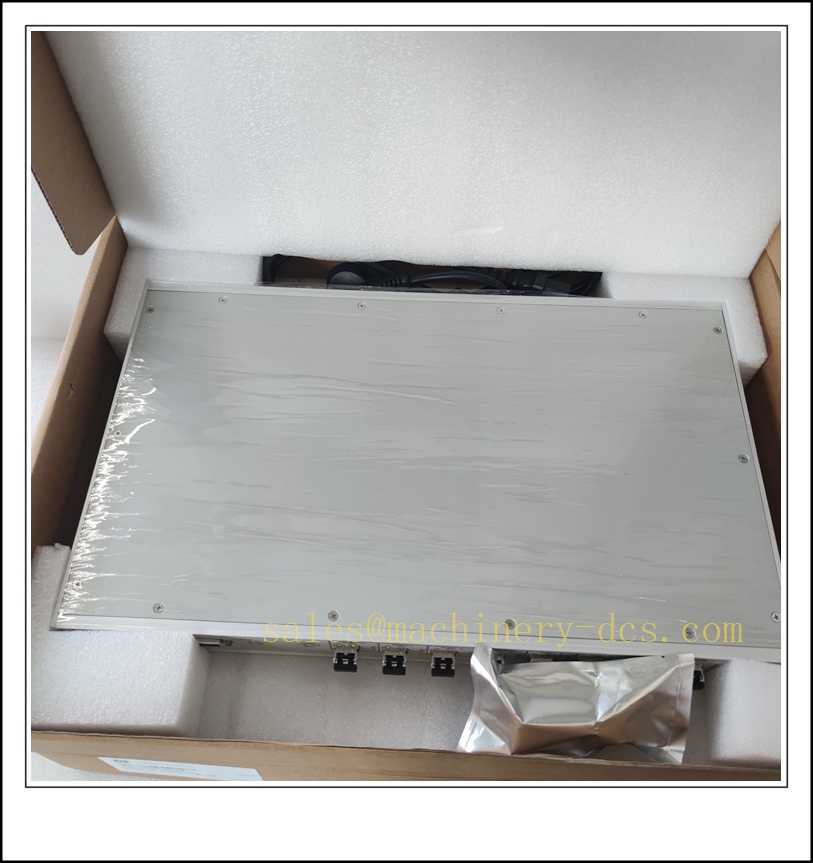
ACC-5595-208
Application Scenarios & Distinctive Features
- Aerospace Hardware-In-The-Loop Simulation Systems: Delivers sub-microsecond deterministic data synchronization across multi-node simulation racks, eliminating network jitter that would break real-time simulation accuracy for flight control system testing.
- Heavy-Duty Gas Turbine Control Systems: Serves as the ultra-real-time data sharing backbone for GE Mark VIe turbine control platforms, ensuring zero-latency state synchronization between redundant controllers.
- Large Industrial Robot Motion Control Lines: Enables coordinated multi-axis motion synchronization across distributed controller nodes, achieving nanosecond-level motion precision for high-speed automated production lines.
- Legacy VMIC Reflective Memory Network Renovation Projects: Direct drop-in replacement for old ACC-5595 series hubs, no modification required to existing fiber wiring or node card configuration.
- Core Advantages: 2 Gbps full-duplex transmission, sub-microsecond global synchronization, full electrical isolation on all ports, zero protocol overhead, 100% backward compatible with all 5565 series reflective memory node cards.
Frequently Asked Questions
- Q: The hub keeps reporting intermittent port link dropout after installation?
A: Check if multi-mode fiber cable exceeds 300m maximum distance at 2 Gbps rate, clean SFP port and fiber connector end face to remove dust contamination. - Q: My old 1 Gbps 5565 node card cannot connect to this 2 Gbps hub?
A: supports automatic speed negotiation, you just need to set the corresponding port to 1 Gbps compatibility mode via serial console configuration. - Q: Can I cascade multiple hubs to expand network node count?
A: Yes, you can cascade hubs via dedicated interconnection fiber port, maximum network can support up to 256 reflective memory nodes without performance degradation. - Q: What is the maximum operating temperature of this hub?
A: Rated operating temperature range is -40°C to +85°C, it can be directly deployed in harsh industrial field control cabinet without extra cooling fan. - Q: What is the core difference between reflective memory network and standard industrial Ethernet?
A: Reflective memory network does not run TCP/IP protocol stack, all memory write operations are automatically mirrored to all nodes in hardware level, achieving true deterministic latency that standard Ethernet cannot deliver.

 Send an Email