
Description
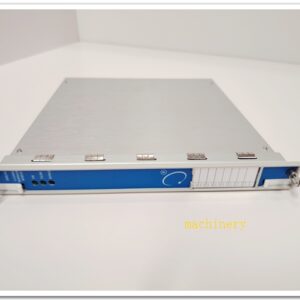
Eaton MTL838C Safe-Area Multiplexer Receiver, MTL830C Series, Dual RS‑485 Modbus RTU Output for MTL831C Temperature Transmitters
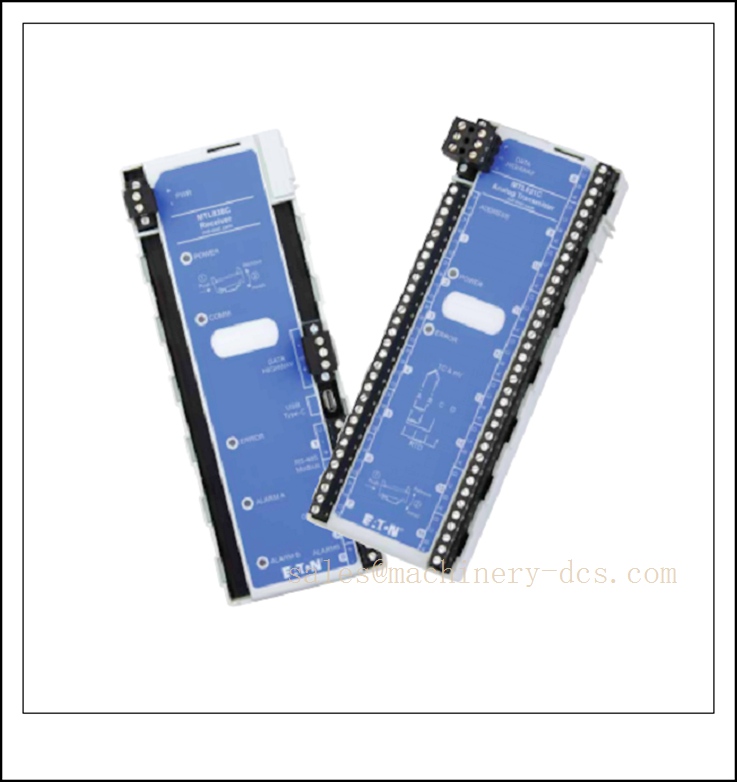
MTL838C
Technical Specifications
- Catalog Number: MTL838C
- Brand: Eaton MTL
- Product Type: Safe‑area receiver unit for MTL830C intrinsic safety temperature multiplexer system
- Supported Field Transmitters: Up to 2 × MTL831C / MTL831C‑PS, maximum 32 input points total
- Host Communication: Dual isolated RS‑485 ports, Modbus RTU / JBUS protocol; supports LLMUX emulation for legacy Honeywell DCS
- Baud Rate: 300 ~ 19200 bps, configurable parity, 8 data bits, 1 stop bit
- Local Configuration: USB port for MTL83xC Configurator Software
- Alarm Output: 2 programmable relay contact outputs
- Data Highway Port: Single twisted‑pair highway to MTL831C; up to 2 km non‑IS, up to 1 km with MTL5553 IS isolator
- Supply Voltage: 19 ~ 30 VDC (nominal 24 VDC), SELV supply recommended
- Max Current Draw: 300 mA
- Isolation Rating: 500 V AC isolation between power, RS‑485, USB and data highway; alarm relays 250 V isolation to highway
- Mounting: DIN rail mounting, safe‑area cabinet installation only
- Operating Temperature: -20 °C ~ +60 °C (-4 °F ~ +140 °F)
- Humidity: 5%–95% RH, non‑condensing
- Indicators: Green power LED, individual status LEDs for each connected transmitter
- Data Processing: Linearisation, cold junction compensation, sensor break detection, high/low alarm processing onboard
- Compliance: CE, EMC, RoHS; designed for integration with ATEX / IECEx hazardous‑area sensor network
Key Features & Advantages
- Safe‑area receiver for MTL831C multiplexer transmitters: Aggregates up to 32 universal temperature/mV measurements from hazardous zone onto standard Modbus RTU for DCS/PLC hosts.
- Dual independent RS‑485 Modbus ports: Supports redundant serial links or connection to two separate Modbus masters simultaneously.
- Legacy LLMUX emulation mode: Drop‑in replacement for older MTL838B systems for Honeywell Experion integration without host logic changes.
- Onboard alarm relay outputs: Two programmable relays provide hardwired local alarm for sensor failure, highway fault or process limit violation.
- Full galvanic isolation between interfaces: Minimises ground loops and noise coupling between host system, power supply and field highway.
- USB configuration interface: Simple channel setup, sensor type assignment, calibration and alarm threshold setting via MTL83xC configuration software.
- Non‑volatile configuration memory: Retains all channel mapping and network settings after power loss.
- High wiring savings: Replaces dozens of individual IS barriers and field cables with one shielded twisted‑pair highway to hazardous area.
Application Fields
- Oil, gas and offshore platform multi‑point temperature monitoring
- Refinery furnace, reactor and distillation column thermocouple / RTD arrays
- Chemical batch and continuous process hazardous measurement
- LNG storage and cryogenic temperature monitoring skids
- Power plant burner and boiler auxiliary temperature measurement
- Pharmaceutical classified hazardous process areas
- General process plants requiring consolidated intrinsic safety temperature acquisition
- Retrofit projects replacing legacy MTL830B LLMUX multiplexer systems
Related Product Recommendations
- MTL831C: 16-channel IS temperature/mV multiplexer transmitter (fixed terminals)
- MTL831C‑PS: MTL831C with pluggable terminals
- MTL838C‑MBT: MTL830C receiver with Modbus TCP Ethernet output
- MTL5553: FF H1 isolator / IS power supply, mandatory for Zone 0 highway
- FCS‑9616 / FCS‑9632: Certified Ex ia junction enclosures for MTL831C
- MTL5541: 4–20 mA IS analog input isolator (single‑loop alternative)
- MTL5544: 4–20 mA IS analog output isolator
- MTL838B: Legacy predecessor model (spare reference only)
- MTL5575: HART signal isolator for conventional transmitters
- MS010: MTL5500 series DIN rail spacer for thermal clearance
Installation & Maintenance
Installation
- Mount MTL838C on standard DIN rail inside a classified safe‑area control cabinet; maintain adequate airflow.
- Use a clean SELV‑rated 24 VDC power supply; connect power negative to instrument earth bar.
- Route the data highway shielded twisted pair to MTL5553 isolator for Zone 0 / Zone 1 hazardous installations; follow polarity strictly.
- Separate RS‑485 Modbus cables and data highway wiring from high‑power AC and VFD cables to avoid EMI.
- RS‑485 bus termination resistors must be fitted externally at the two physical ends of the Modbus trunk; no internal termination on MTL838C ports.
- Connect USB to a Windows PC running MTL83xC Configurator Software to define sensor types, ranges, cold junction compensation and alarm limits.
- Wire alarm relays to plant alarm circuits as required; observe relay contact rating limits.
- Bond all cable shields to the cabinet instrument earth at one end only, per site IS earthing specification.
Maintenance
- Carry out routine visual inspection at least every two years; shorten interval for coastal, corrosive or high‑humidity cabinet environments.
- Verify green power LED remains steady and transmitter status LEDs show normal communication; check terminal tightness and cable insulation condition.
- Use Modbus host registers or configuration software to diagnose sensor breaks, highway faults, out‑of‑range readings and communication timeouts.
- When replacing MTL838C, export the configuration file first and restore it to the new unit to avoid re‑programming all 32 channels.
- Keep configuration backup files and system drawings (highway topology, sensor list, IS entity parameters) for hazardous area audit.
- Do not modify internal circuits; replace only with original spare units.
- After any change to highway wiring or transmitter, re‑scan the network and confirm all channels read correctly before returning to service.

 Send an Email