
Description
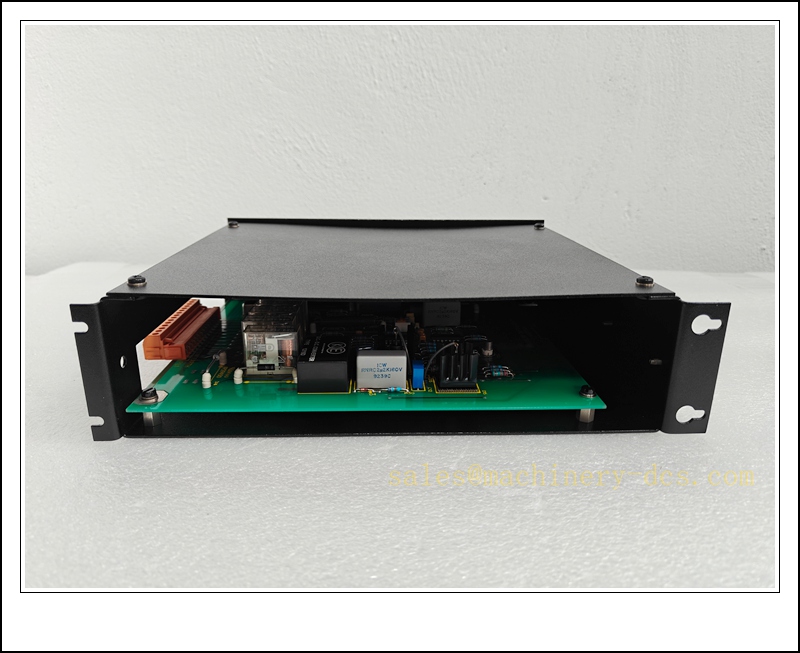
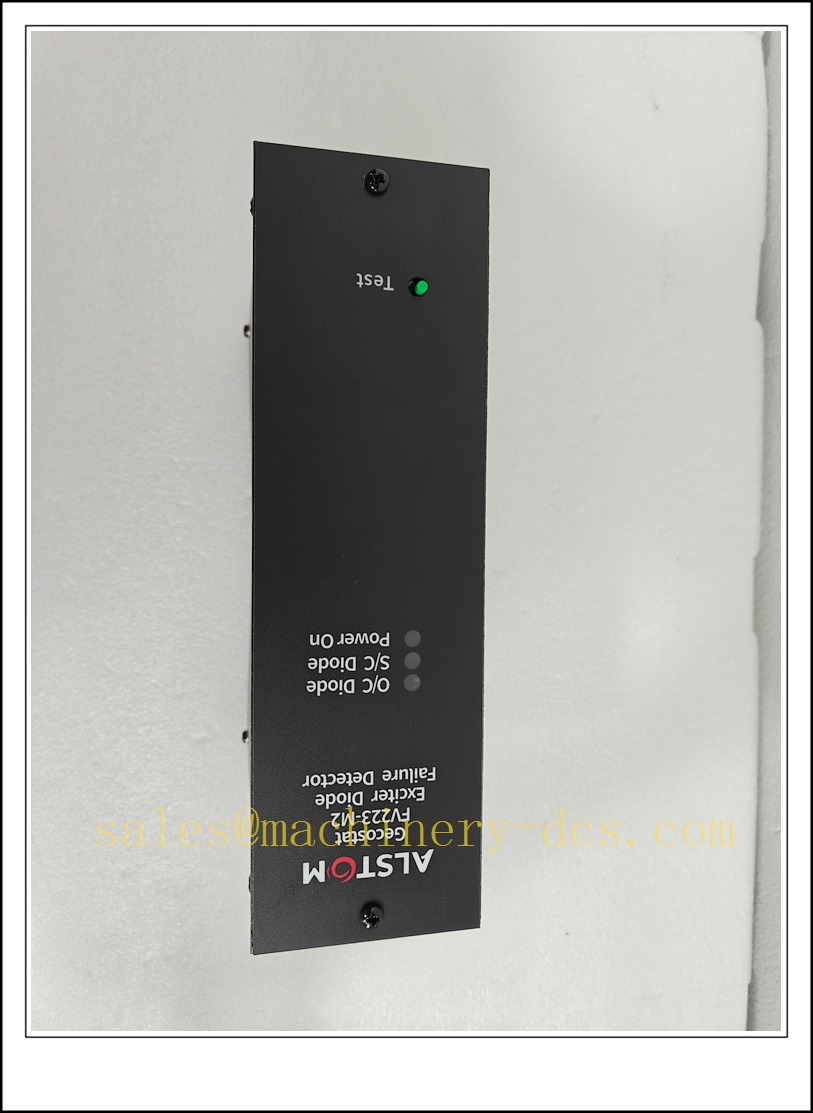
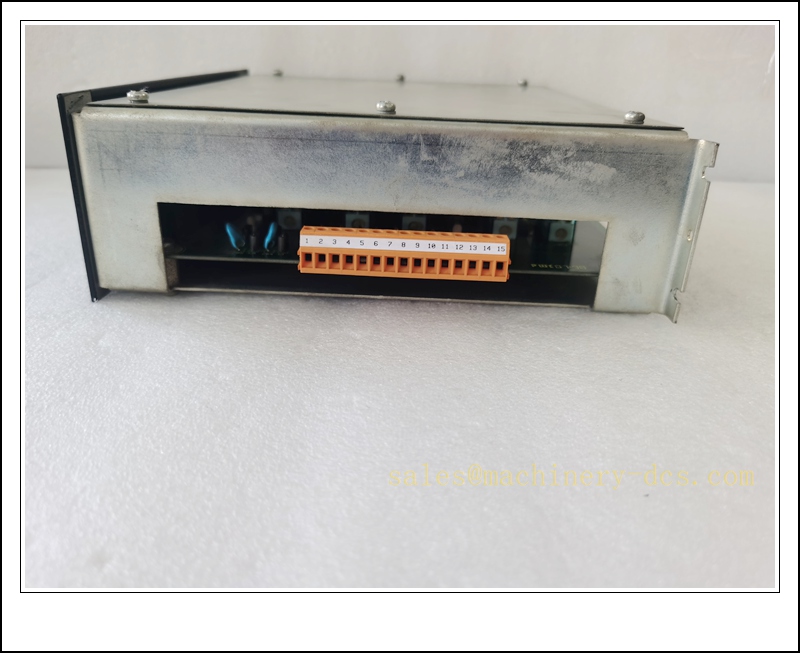
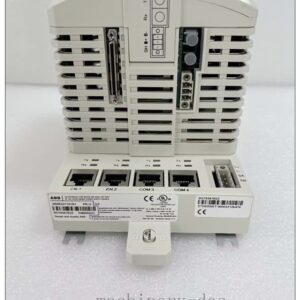
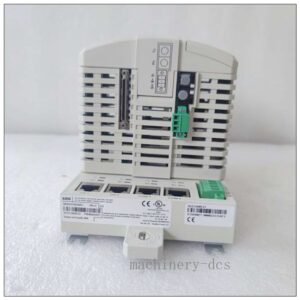
Alstom FV223-M2 Gas & Steam Turbine Digital Regulator Module
Product Core Introduction
FV223-M2 is a mission-critical high-speed digital regulator module developed by Alstom (now part of GE Power/Vernova) for the ALSPA P320 turbine control platform. As the core execution-layer component in heavy-duty gas and steam turbine control systems, it converts millisecond-level load commands from the main system CPU into ultra-smooth, high-precision actuator control signals. Equipped with advanced variable-parameter PID and feedforward control algorithms, it eliminates system non-linearity to achieve zero-overshoot fast response for fuel valves and steam governing valves, directly ensuring unit operational safety, efficiency and compliance with strict emission standards in power generation and heavy industrial facilities .
FV223-M2
Key Technical Specifications
| Parameter | Specification |
|---|---|
| Full Product Designation | Alstom FV223-M2 Digital Regulator Module |
| Manufacturer | Alstom Energy / GE Vernova |
| System Compatibility | Native support for Alstom ALSPA P320 control system, backward compatible with GE Power legacy turbine control platforms |
| Control Loop Performance | 1ms minimum control execution cycle, output signal accuracy ≤ ±0.1% full scale |
| Analog Output Channels | 4 channels of 4-20mA isolated current output, dedicated for fuel valve and steam governing valve positioning |
| Redundancy Architecture | Supports 1:1 hot redundant configuration, seamless master-slave switchover within 2ms with zero control signal interruption |
| Communication Interface | High-speed parallel redundant bus, dedicated for real-time data interaction with main MPX00 system CPU |
| Operating Voltage | 24 VDC nominal, 18-30 VDC wide input tolerance |
| Power Consumption | Max 12W under full load operation |
| Operating Temperature Range | 0°C to +65°C |
| Environmental Protection | Conformal coated PCB, resistant to industrial control cabinet dust and mild corrosive atmosphere |
| Standard Warranty | 12 months functional warranty after full dynamic performance testing |
| Supply Status | Discontinued original spare part, available via certified industrial automation spare part distributors |
6 Recommended Compatible Models in the Same Series
- FV200: Universal base-model digital regulator, for general-purpose steam turbine auxiliary loop control, lower cost for non-critical governing applications
- FV223-M1: Early predecessor variant, with 2 analog output channels, fully backward compatible for legacy ALSPA P320 system direct replacement
- FV224-M2: Extended 8-channel high-density version, designed for multi-shaft combined cycle units requiring simultaneous control of 8 independent fuel/steam valves
- FV223-IS: Intrinsically safe certified variant, for hazardous area Zone 2 deployment in petrochemical industrial turbine drive systems
- MVAW11B1AB0513A: Alstom excitation manual control companion module, paired with FV223-M2 to complete full turbine speed + excitation closed-loop control
- MVTU11K1CD0751G: Turbine protection extension module, integrated with FV223-M2 to provide independent overspeed trip interlock logic
Professional Quality Control Test Standard Operating Procedure
- Static I/O Precision Calibration
Inject NIST-traceable standard reference signals to all input channels, verify A/D conversion linearity; load standard 4-20mA loop on output channels, confirm full-scale accuracy deviation stays within ±0.1% tolerance. - High-Speed Redundant Communication Bench Test
Simulate full-speed communication with MPX00 main CPU, perform 10,000 consecutive master-slave redundant switchover operations, ensure zero data packet loss and no control output interruption during switchover . - Dynamic Response Characteristic Validation
Inject standardized step and ramp input signals that replicate real turbine load change profiles, measure control logic execution latency, confirm no overshoot or oscillation occurs during full-range valve stroke simulation . - High-Load Aging Endurance Test
Run the module under 100% full load for 72 continuous hours in 55°C temperature environment, monitor component temperature rise and internal clock stability, confirm no performance drift after long-duration operation. - Firmware & Configuration Security Audit
Verify firmware revision matches target ALSPA P320 system version, completely erase all legacy user configuration data from onboard non-volatile memory to eliminate system conflict risk during on-site deployment. - Final ESD & Surge Immunity Test
Apply 6kV contact ESD pulse on all electrical ports, confirm no hardware latch-up or configuration data corruption occurs; generate full dynamic test report for traceability before shipment.
New Module Installation & Startup Guideline
- Perform full ESD protection preparation: wear certified anti-static wrist strap connected to control cabinet grounding point, power down the corresponding redundant control rack before removing the old module.
- Confirm the new FV223-M2 module firmware revision is 100% consistent with the existing system revision control requirement, insert the module into designated redundant slot until the backplane connector locks firmly.
- Use official ALSPA Tool or ControlCAD software to import the pre-backed-up full set of control parameters (valve limit, loop gain, integral time, feedforward coefficient) into the new module non-volatile memory.
- Power on the rack, initiate system hot redundancy activation workflow, manually force master-slave switchover 3 consecutive times to verify the new module is correctly recognized by the main CPU and takes over control seamlessly.
- Perform on-site small-range valve jog test, confirm 4-20mA output signal corresponds exactly to valve position feedback value; run 30-minute no-load loop stability monitoring before restoring the unit to normal operation mode.
Application Scenarios & Distinctive Features
- Large Combined Cycle Power Plants: Executes ultra-precise fuel valve regulation during gas turbine startup, shutdown and wide-range load tracking, directly improving unit heat rate and reducing NOx emission levels .
- Industrial Power Generation Turbine Units: Serves as the core governing loop controller for steam turbines in captive power plants, ensuring grid frequency stability under rapid load change conditions.
- Petrochemical Compressor Drive Turbines: Delivers high-reliability speed control for large centrifugal compressors in refineries, supporting uninterrupted long-cycle operation over 8000 running hours per year.
- Legacy ALSPA P320 System Renovation Projects: Direct drop-in replacement for aged FV223-M1 modules, no modification required to existing control cabinet wiring or upper-level DCS logic.
- Core Advantages: 1ms ultra-fast control cycle, 2ms bumpless redundant switchover, conformal coated PCB for harsh industrial environment, full native compatibility with all ALSPA P320 system control algorithms.
FV223-M2
Frequently Asked Questions
- Q: The new module cannot communicate with the main MPX00 CPU after installation?
A: Confirm the module firmware revision strictly matches the system revision control standard; mismatched firmware version is the most common cause of communication failure, re-flash the correct approved firmware before re-deployment. - Q: The control output shows obvious oscillation after parameter restoration?
A: The legacy parameters from old module may contain drift values; perform on-site loop tuning with actual valve actuator, re-calibrate PID gain and feedforward coefficient to match current field actuator characteristic. - Q: Can I use to directly replace an old FV200 module?
A: Hardware form factor is fully compatible, but you need to re-configure the dedicated FV223 high-speed control logic in ALSPA system software, otherwise it will run under limited FV200 function mode. - Q: What is the maximum allowable ambient operating temperature for this module?
A: Rated operating temperature is 0-65°C; ensure control cabinet ventilation and cooling system is functioning properly, operating above 65°C will drastically reduce module service life. - Q: Why is redundant switchover performance of far better than ordinary PLC I/O modules?
A: uses dedicated hardware redundant bus instead of general fieldbus, all control states are synchronized between master and slave modules at 1ms cycle, achieving true bumpless switchover without any control gap.

 Send an Email