
Description
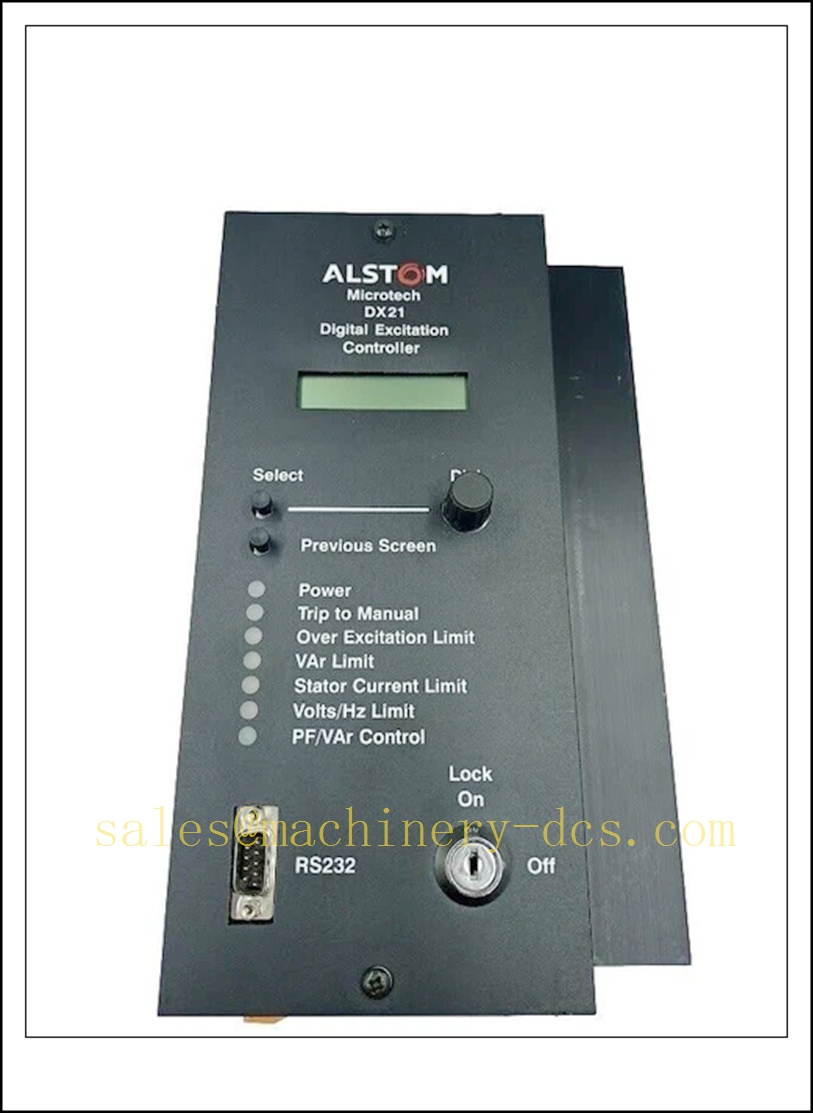
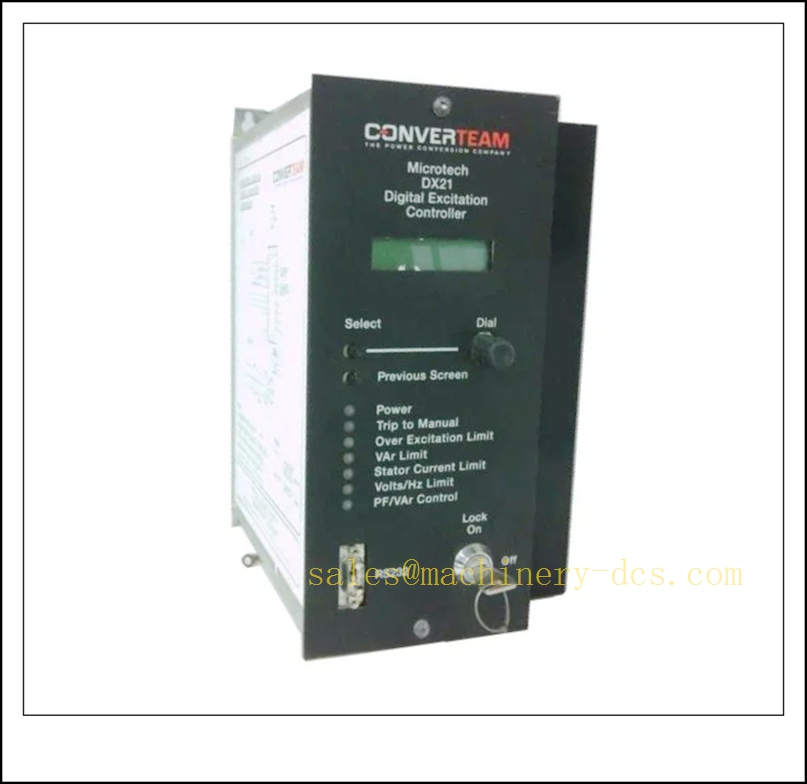
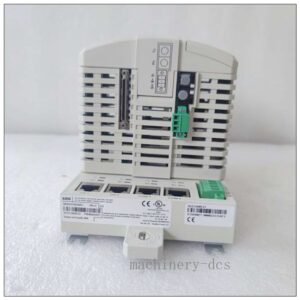
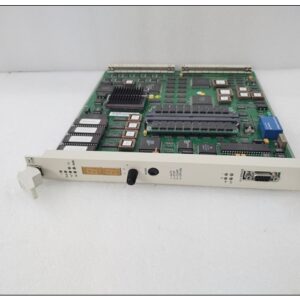
Alstom DX21-M2 MICROTECH Digital Excitation Controller
Product Core Introduction
DX21-M2 is Alstom (Converteam) MICROTECH series high-performance redundant digital excitation controller, purpose-built for synchronous generators across thermal, hydro, gas-turbine, marine and railway power systems. Adopting dual-CPU hot standby architecture, it integrates full AC sampling, dynamic PID calculation, digital phase-shift triggering and complete excitation protection functions, delivering precise automatic voltage regulation (AVR) and reactive power closed-loop control. It maintains ultra-stable generator terminal voltage under wide load fluctuation conditions, directly improving unit operational efficiency, grid connection reliability and fault ride-through capability for power generation facilities.
Key Technical Specifications
| Parameter | Specification |
|---|---|
| Full Product Designation | Alstom DX21-M2 MICROTECH Digital Excitation Controller |
| Manufacturer | Alstom Energy / Converteam (UK origin) |
| Core Function | Automatic Voltage Regulation (AVR), reactive power control, full-set excitation system protection |
| Redundancy Architecture | Dual-microcomputer hot standby, bumpless master-slave switchover without control interruption |
| Sensing Voltage Input | 100-120 VAC, 50/60 Hz, 1 VA per phase, zero phase-shift design |
| Composite Current Input | 1A secondary side, 1 VA maximum load capacity |
| Built-in Protection Logic | Overexcitation limit, underexcitation limit, strong excitation inverse time limit, V/F limit, stator overvoltage protection |
| Physical Dimensions | 150 mm × 240 mm × 350 mm |
| Net Weight | 2.9 kg |
| Operating Temperature Range | 0°C to +55°C; storage temperature -40°C to +70°C |
| Environmental Protection | Conformal coated PCB, compliant with industrial EMC immunity standards |
| Standard Warranty | 12 months functional warranty after full dynamic performance testing |
| Supply Status | Discontinued original spare part, available via certified industrial automation spare part distributors |
6 Recommended Compatible Models in the Same Series
- DX21-M1: Early predecessor variant, single CPU non-redundant architecture, direct drop-in replacement for legacy MICROTECH system spare part refresh
- MCI 5-M2: Manual excitation control companion module, paired with DX21-M2 to provide backup manual regulation mode during AVR fault scenarios
- PFVK 135 3BSE007135R1: High-voltage excitation power interface module, for large 100MW+ generator excitation power stage connection
- GFD563A102 3BHE046836R0102: Generator de-excitation protection extension module, integrated with DX21-M2 to execute fast non-linear resistor demagnetization during unit trip
- DX21-IS: Intrinsically safe certified variant, for hazardous area Zone 2 deployment in offshore oil & gas generator drive systems
- PPD103801 3BHE020455R0001: Excitation system communication gateway module, enabling DX21-M2 seamless data sync with ALSPA P320 turbine DCS platform
Alstom DX21
Professional Quality Control Test Standard Operating Procedure
- Static I/O Precision Calibration
Inject NIST-traceable standard AC voltage and current signals, verify A/D conversion linearity; confirm zero phase-shift characteristic meets specification, full-scale accuracy deviation stays within ±0.1% tolerance. - Dual CPU Redundant Switchover Bench Test
Simulate 10,000 consecutive master-slave switchover operations, ensure zero control output interruption and no excitation current fluctuation during redundant mode transition. - Dynamic AVR Characteristic Validation
Inject standardized step load change signal that replicates real generator grid disturbance profile, confirm voltage regulation accuracy ≤ ±0.5% and no overshoot during full-range excitation adjustment. - Protection Logic Full Coverage Test
Trigger every built-in protection function (overexcitation, underexcitation, V/F limit etc.) sequentially, verify protection action threshold and response time strictly match factory design specification. - High-Load Aging Endurance Test
Run the module under 100% full load for 72 continuous hours in 50°C temperature environment, confirm no performance drift or component overheating after long-duration operation. - Final ESD & Surge Immunity Test
Apply 6kV contact ESD pulse on all electrical ports, confirm no hardware latch-up or configuration data corruption occurs; generate full dynamic test report for traceability before shipment.
New Module Installation & Startup Guideline
- Perform full ESD protection preparation: wear certified anti-static wrist strap connected to control cabinet grounding point, power down the excitation power supply loop before removing the old module.
- Confirm the new module firmware revision matches the existing MICROTECH system revision control requirement, insert the module into designated rack slot until the backplane connector locks firmly.
- Use official Alstom excitation configuration software to import pre-backed-up AVR parameters (voltage setpoint, PID gain, protection threshold, reactive power setpoint) into the new module non-volatile memory.
- Power on the control loop first, initiate system self-diagnostic workflow, confirm dual CPU both enter normal running state and establish stable communication with MCI 5-M2 manual control module.
- Perform off-line excitation jog test with generator rotor disconnected, confirm excitation current output corresponds exactly to AVR command value; run 30-minute no-load stability monitoring before restoring generator to normal grid-connected operation mode.
Application Scenarios & Distinctive Features
- Large Thermal Power Generators: Delivers high-precision AVR control for 300MW+ thermal units, effectively improving system transient stability during grid fault disturbance and meeting grid code strict reactive power response requirements.
- Hydroelectric Power Station Units: Adapts to wide water head fluctuation and rapid load change characteristics of hydro generators, ensuring smooth no-load voltage building and seamless grid connection process.
- Offshore Platform Independent Power Systems: Dual redundant architecture eliminates single point of failure, supporting uninterrupted long-cycle operation over 8000 running hours per year for marine generator sets.
- Legacy MICROTECH Excitation System Renovation Projects: Direct drop-in replacement for aged DX21-M1 modules, no modification required to existing power stage wiring or upper-level DCS logic.
- Core Advantages: Zero phase-shift AC sampling, dual CPU bumpless redundant switchover, full-set excitation protection integrated, full backward compatibility with all historical MICROTECH series control logic.
Frequently Asked Questions
- Q: The new module cannot establish communication with MCI 5-M2 manual control module after installation?
A: Confirm the module firmware revision strictly matches the system revision control standard; mismatched firmware version is the most common cause of communication failure, re-flash the correct approved firmware before re-deployment. - Q: Generator terminal voltage shows obvious oscillation after parameter restoration?
A: The legacy parameters from old module may contain drift values; perform on-site loop tuning with actual generator rotor, re-calibrate AVR PID gain to match current excitation system characteristic. - Q: Can I use to directly replace an old non-redundant excitation controller?
A: Hardware form factor is compatible, but you need to configure the dual-CPU redundant synchronization logic in system software to fully activate all protection and redundancy functions. - Q: What is the maximum allowable ambient operating temperature for this module?
A: Rated operating temperature is 0-55°C; ensure excitation cabinet ventilation and cooling system is functioning properly, operating above 55°C will drastically reduce module service life. - Q: Why is voltage regulation performance far better than ordinary general-purpose PLC control modules?
A: uses dedicated zero phase-shift AC sampling hardware and excitation-specific control algorithm, achieving ≤ ±0.5% regulation accuracy that general PLC modules cannot match for synchronous generator AVR scenarios.

 Send an Email