
Description
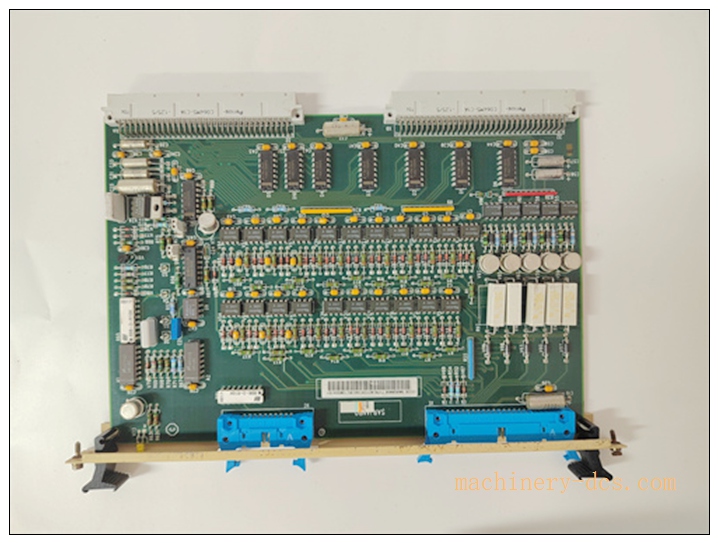
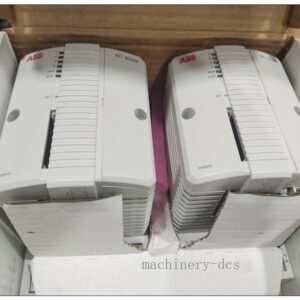
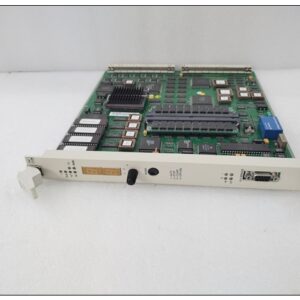
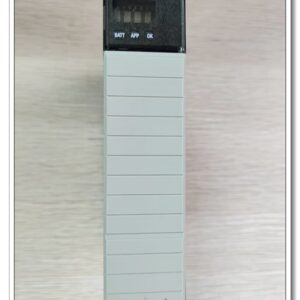
ABB SCYC51040 (58052680E) High-Performance Industrial Communication & Control Module
Product Brand & Model Title
Official Product Title: ABB SCYC51040 (58052680E) High-Performance Industrial Communication & Control Module
Brand: ABB (Switzerland)
Core Model: SCYC51040
Material Code: 58052680E
Product Series: SCYC Industrial Automation Control Module Series
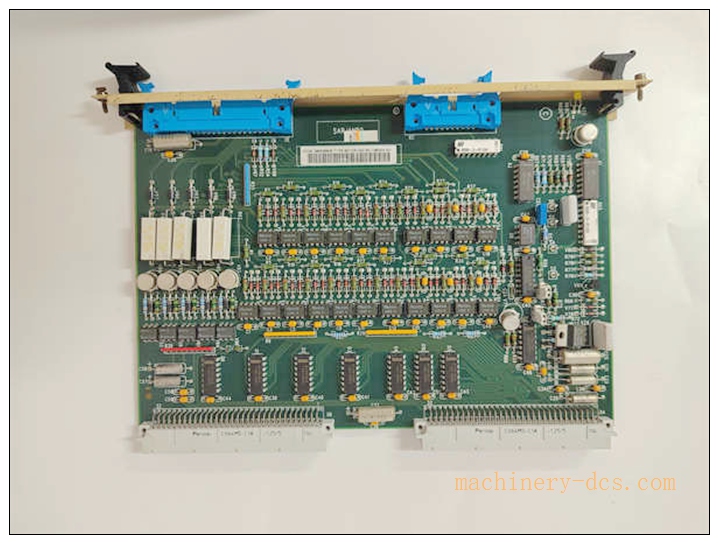
SCYC51040
Product Core Overview
The ABB SCYC51040 (58052680E) is an industrial-grade multi-protocol communication and control module designed for high-stability automated production, process control, and safety linkage systems. Engineered with premium industrial-grade materials and rigorous structural optimization, this module supports mainstream industrial Ethernet protocols and high-frequency signal output, delivering reliable data transmission and precise logic control in harsh industrial environments including high temperature, vibration, and electromagnetic interference scenarios.
Featuring a compact integrated structure, plug-and-play expandability, and excellent system compatibility, the SCYC51040 module can be seamlessly integrated with ABB mainstream PLC and DCS control systems. It supports customized functional configuration to meet differentiated industrial control demands, serving as a core expansion component for modern intelligent factory automation, industrial safety monitoring, and process upgrading.
Main Technical Specifications
| Technical Parameter | Specification Value |
|---|---|
| Manufacturer & Origin | ABB, Switzerland |
| Product Type | Industrial Communication & Control Expansion Module |
| Supported Communication Protocols | PROFINET, Modbus TCP, EtherNet/IP, OPC UA |
| Max Data Transfer Rate | Up to 1 Gbps |
| Rated Operating Voltage | 220V AC / 24V DC Wide Voltage Input |
| Max Output Frequency | 50kHz High-Frequency Switching |
| Operating Temperature Range | -25℃ ~ +70℃ (Industrial Wide Temperature Resistance) |
| Physical Dimensions | 100mm × 70mm × 30mm (Compact Integrated Design) |
| Product Weight | 0.7kg |
| Core Technology | IGBT High-Efficiency Switching Technology, Built-in Self-Diagnosis Function |
| Certification Standards | CE, UL Industrial Safety Certification |
| Warranty Period | 12 Months Official Manufacturer Warranty |
Recommended ABB SCYC Series Models (6+ Options)
All below models belong to ABB SCYC industrial control module series, featuring consistent compatibility, industrial-grade reliability and unified system integration standards, suitable for different control scenario expansions:
- SCYC51020: Basic industrial Ethernet communication module, supporting Modbus TCP and PROFINET, suitable for conventional factory automation signal transmission and low-frequency control scenarios.
- SCYC51030: Enhanced signal acquisition module, with multi-channel analog and digital signal input, optimized for temperature and pressure monitoring of production lines.
- SCYC51040: Standard high-performance integrated module (main model), multi-protocol adaptive, high-frequency output, applicable to most medium and large industrial control systems.
- SCYC51050: High-speed bus control module, supporting 1Gbps full-rate transmission, dedicated for high-precision automated assembly and servo linkage systems.
- SCYC51060: Explosion-proof industrial control module, with reinforced shell and dustproof/explosion-proof design, suitable for chemical, petroleum and flammable industrial scenarios.
- SCYC51070: Safety linkage control module, built-in fire protection and alarm linkage logic, supporting industrial safety monitoring and emergency shutdown system expansion.
- SCYC51080: Intelligent edge computing module, integrated data analysis and local storage function, matching intelligent factory digital transformation and remote monitoring systems.
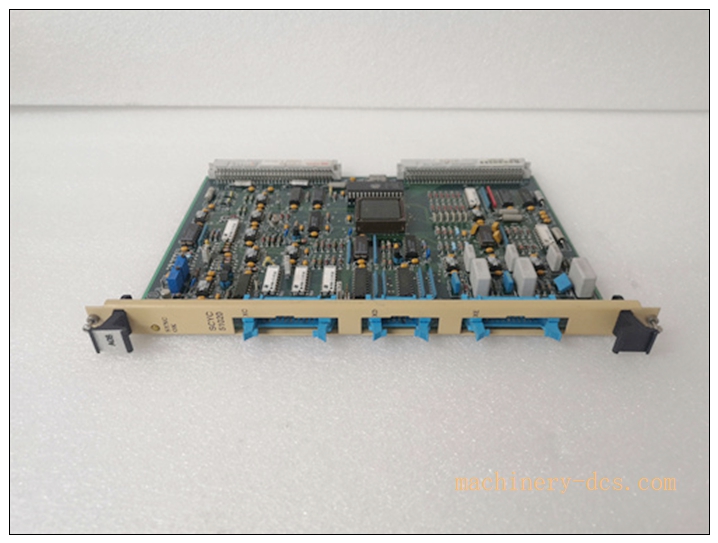
SCYC51040
Professional Quality Control & Test Standard Operating Procedure (SOP)
All modules strictly follow ABB global industrial quality control system and international industrial electrical testing standards. The full-process test SOP is as follows:
5.1 Pre-Production Raw Material Inspection
Inspect industrial-grade chips, IGBT components, circuit boards and shell materials, verify compliance with IEC61131 industrial component standards, screen unqualified raw materials to eliminate fundamental quality risks.
5.2 Semi-Finished Product Aging Test
Conduct 48-hour continuous power-on aging test at 60℃ high-temperature environment, monitor module operating voltage, signal transmission stability and heat dissipation performance, eliminate early failure defective products.
5.3 Functional Protocol Compatibility Test
Simulate mainstream industrial Ethernet environments, verify the normal operation of PROFINET, Modbus TCP and other protocols, test data transmission accuracy and response delay to ensure protocol adaptive compatibility.
5.4 Harsh Environment Simulation Test
Perform low-temperature (-25℃) storage test, vibration resistance test and electromagnetic interference (EMI) test in accordance with IEC60068 standard to verify environmental adaptability of the module.
5.5 Finished Product Performance Calibration
Calibrate output frequency, voltage accuracy and signal acquisition precision, conduct full-function self-diagnosis test to ensure all technical parameters meet factory design standards.
5.6 Factory Certification & Sampling Retest
All products pass CE, UL certification verification; 5% random sampling retest for each batch to ensure batch consistency, and generate official test reports for traceability.
New Module Installation Guidelines
6.1 Pre-Installation Preparation
Power off the entire control system completely, confirm no residual voltage in the cabinet; check the integrity of the module shell and interface, confirm no damage, oxidation or loose components; prepare standard industrial wiring terminals, screwdrivers and insulating tools.
6.2 Hardware Installation Steps
Fix the module on the standard DIN rail of the control cabinet, adjust the position to ensure firm clamping and no shaking; connect power supply lines strictly in accordance with voltage specifications, distinguish positive and negative poles to avoid reverse connection; plug in Ethernet communication cables and signal wiring, lock the interface buckle to prevent loose contact caused by equipment vibration.
6.3 System Configuration & Debugging
Power on the system after confirming correct wiring; log in to the ABB control system configuration software, identify the new module, complete protocol matching and address configuration; perform online simulation test to verify normal data transmission and signal output; save configuration files to complete installation and commissioning.
6.4 Post-Installation Inspection
Check module operating temperature, indicator light status and communication signal stability; confirm no abnormal noise, overheating or fault alarm; conduct 2-hour continuous operation test to ensure stable system linkage.
Application Scenarios & Product Features
7.1 Core Application Scenarios
- Factory Intelligent Automation: Production line logic control, servo system linkage, multi-device collaborative communication for automobile manufacturing, electronic processing and mechanical equipment industries.
- Process Industry Control: Real-time signal acquisition and transmission for chemical, food, textile and energy industries, supporting stable operation of continuous production processes.
- Industrial Safety Monitoring: Fire protection linkage, alarm signal output and safety shutdown control of industrial workshops and equipment rooms.
- Smart Energy System: Communication expansion and data monitoring of power distribution equipment, new energy power generation and energy storage control systems.
- Digital Factory Transformation: Edge data transmission and system expansion for intelligent monitoring, remote operation and industrial Internet platforms.
7.2 Product Core Features
- Multi-Protocol Adaptive Compatibility: Integrates four mainstream industrial Ethernet protocols, realizing seamless docking with different brand control systems and strong universality.
- Harsh Environment Adaptability: Wide temperature operating range, vibration resistance and electromagnetic interference resistance, ensuring long-term stable operation in complex industrial scenes.
- High-Precision & High-Speed Performance: 50kHz high-frequency output and 1Gbps high-speed transmission, meeting high-precision control and real-time data transmission demands.
- Plug-and-Play Expansion: Standard modular design, simple installation and debugging, fast system expansion without modifying the original control architecture.
- Intelligent Self-Diagnosis: Built-in fault self-check and alarm indication function, realizing real-time fault monitoring and rapid positioning, reducing maintenance difficulty.
- Customizable Function Configuration: Supports personalized parameter setting and functional customization to meet differentiated industrial control requirements.
Frequently Asked Questions (FAQ)
Q1: The module indicator light is off after power-on, no response?
A1: First check whether the power supply voltage matches the module specification and whether the power line is reversely connected or loosely connected; confirm the system main control unit is powered on normally; if the problem persists, perform power-off restart and wiring re-inspection, or contact ABB after-sales team for hardware detection.
Q2: Communication connection failure, unable to identify the module in the system?
A2: Verify the integrity of Ethernet cables and interface connection status; check whether the communication protocol and address configuration match the upper computer system; confirm no IP address conflict in the system; restart the configuration software and re-identify the module.
Q3: Abnormal signal transmission and delayed data feedback during operation?
A3: Check whether the on-site electromagnetic interference exceeds the standard, add shielding measures if necessary; confirm the module operating temperature is within the normal range; update the system configuration program and optimize communication baud rate parameters to stabilize transmission.
Q4: Can the module be compatible with old ABB control systems?
A4: The module maintains downward compatibility with most ABB mainstream DCS/PLC systems. For ultra-old system models, protocol adaptation configuration is required before use, which can be completed through official configuration software.
Q5: Overheating alarm after long-term continuous operation?
A5: Check whether the control cabinet has poor heat dissipation or excessive dust accumulation; confirm the module is not overloaded for a long time; clean the equipment dust and optimize cabinet ventilation conditions; adjust operating load parameters appropriately.
Q6: Is routine maintenance required for the module during daily use?
A6: Regularly clean the module surface and interface dust every 3 months; check wiring tightness and indicator status monthly; avoid long-term over-temperature and over-load operation; perform configuration file backup regularly to prevent data loss.

 Start Chat


 Send an Email