
Description
Schneider Electric 490NRP95400 Modicon Quantum RIO Fiber‑Optic Repeater Unit
Product Detailed Information
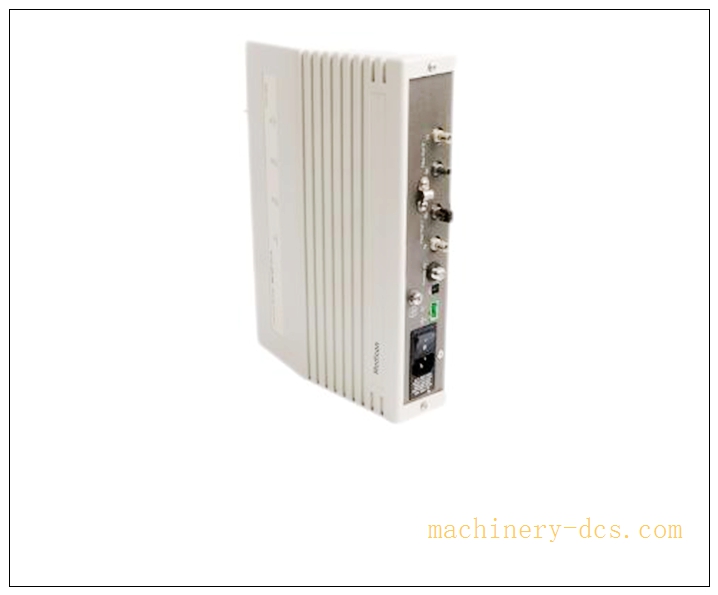
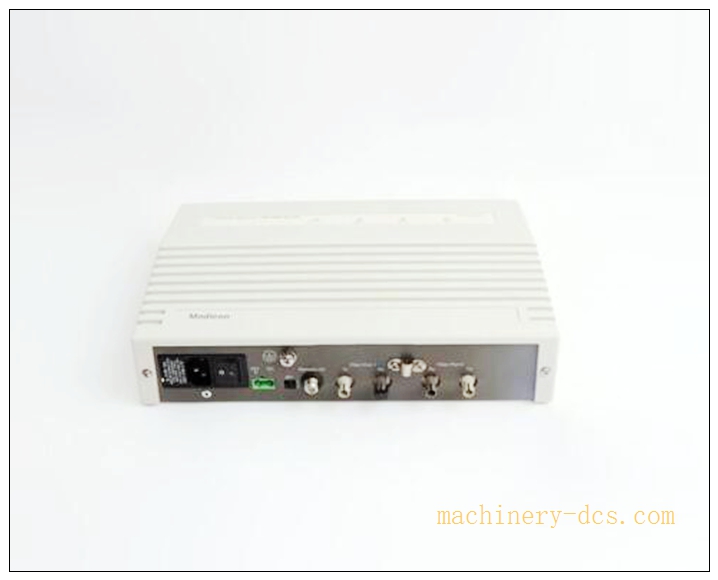
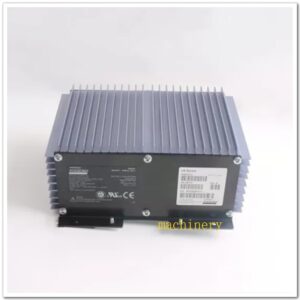
490NRP95400 is an external standalone fiber‑optic repeater for Modicon Quantum S908 Remote I/O (RIO) network. It performs media conversion between electrical coaxial RIO bus and multimode ST‑connector fiber optics, extending RIO communication distance for distributed remote I/O drops. It supports bus‑line and drop‑branch topology, enables ring‑type self‑healing RIO network architecture. The unit accepts dual‑range power input (115/230 VAC or 24 VDC), provides front‑panel multi‑LED diagnostic indicators for power, link status and network fault. It is panel/shelf‑mount standalone hardware, not rack‑plug‑in Quantum module. OEM end‑of‑life date Sep‑11‑2020; original factory repair service terminated Oct‑10‑2020. New‑old‑stock, functionally refurbished and field‑pulled spare units are widely deployed for legacy plant life‑extension maintenance projects.
490NRP95400
Technical Parameters
| Item | Specification |
|---|---|
| Manufacturer | Schneider Electric (Modicon Quantum series) |
| Model | 490NRP95400 |
| Product Status | OEM Discontinued, spare‑part‑only supply |
| Protocol | Quantum S908 RIO network, 1.544 Mbps Manchester‑encoded baseband signal |
| Interface | Electrical side: RIO coaxial “F” connector; Optical side: Dual ST‑type multimode fiber ports (TX / RX) |
| Fiber Type | Multimode fiber; Max segment distance 2 km per segment; total system reach up to 10 km‑13 km with multiple repeaters |
| Topology Support | Line‑bus, drop‑branch, self‑healing ring topology; max 5 units in one linear RIO network |
| Power Supply | 115/230 VAC 47‑63 Hz OR 24 VDC; hardware terminal jumper selects power range |
| Power Consumption | ≈12 W typical |
| Mounting | Panel / shelf mounting (non‑DIN‑rail, non‑Quantum backplane rack unit) |
| Indicators | Front‑panel LED array: Power OK, Electrical‑Link, Optical‑Link, Network‑Fault |
| Operating Temperature | 0 ℃ ~ +60 ℃ |
| Storage Temperature | ‑40 ℃ ~ +85 ℃ |
| Humidity | 5‑95 % RH non‑condensing |
| Enclosure | Industrial plastic metal‑reinforced housing; IP20 for cabinet‑only installation |
| Weight | ≈1.81 kg (4.00 lbs) |
| Certifications | CE, UL, IEC 61010‑1 industrial control standard |
Compatibility & Installation Traps
Compatibility
- Modicon Quantum PLC S908 RIO master communication adapter (140CRA93100 /140CRA93200)
- Quantum RIO drops: 140CRA series remote I/O adapter, coaxial RIO bus segments
- Multimode ST‑terminated fiber optic cables; self‑healing ring network configuration
- Replacement reference: rack‑mount version 140NRP95400 (different hardware form‑factor, cannot direct swap without rack re‑work)
Critical note: 490NRP95400 only works for S908 RIO network. It is NOT Modbus‑Plus repeater. Never mix‑connect with single‑mode 140NRP95401C hardware; optical mismatch causes permanent link failure. Linear network maximum 5 repeaters total, extra units accumulate jitter and trigger intermittent RIO drop‑out.
Installation Pitfalls
- Power‑input jumper fatal risk: Internal terminal block hardware jumper defines AC‑mode or DC‑mode. Wrong jumper setting will burn internal power‑supply circuit immediately after power‑on.
- Fiber TX‑RX cross‑connection: ST fiber transmit / receive ports must cross‑wire between paired repeaters; mis‑alignment produces total optical link loss. Respect fiber minimum bend radius, sharp bending induces high attenuation.
- Coaxial‑F‑connector termination: RIO coaxial F‑connector must be tightened properly. Poor contact or missing 75‑Ω bus termination causes signal reflection, sporadic remote‑I/O drop‑out, random PLC RIO fault alarms.
- Network topology quantity limit: Linear chain shall not exceed five 490NRP95400 repeaters. Exceeding quantity accumulates signal jitter and Manchester decoding errors.
- Ground‑bonding requirement: Connect repeater protective ground terminal to cabinet main protective earth. Floating ground increases EMC interference risk under heavy motor‑drive cabinet environment.
- No hot‑swap for live‑network: Although power can be cycled, removing fiber or coaxial cable on running network will cut off all downstream RIO drops and trigger process‑I/O freeze. Perform replacement under controlled plant condition.
- Part‑number identification: Confirm full marking 490NRP95400. Strictly distinguish from 140NRP95400 (rack‑mount Quantum module) and 490NRP25400 (Modbus‑Plus fiber repeater); they cannot substitute each other.
- Self‑healing ring commissioning: Ring topology needs correct configuration; mis‑wired ring leads to network broadcast storm and total RIO network collapse.
Standard Operating Procedure (SOP)
- Pre‑work: Execute plant lock‑out‑tag‑out for related RIO network segment. For ring‑architecture, confirm remaining ring path maintains communication before removing target repeater. Wear ESD anti‑static wrist strap.
- Data backup: Record existing RIO network topology, remote‑drop node address table, fault log from Quantum PLC system diagnostics. Document power‑input jumper position of old unit.
- Unit removal: Record front‑panel LED status before power‑off. Disconnect AC/DC power supply. Unplug ST fiber optic cables, mark TX/RX direction. Disconnect RIO coaxial F‑connector. Remove mounting screws and extract repeater unit. Inspect fiber connectors for dust / scratch; inspect coaxial‑cable termination quality.
- Incoming inspection: Visual inspect spare unit housing for mechanical damage; verify full part‑number marking and hardware revision. Check internal power‑selection jumper position matches site power source requirement. Inspect ST optical sockets for contamination.
- Mechanical mounting: Secure new 490NRP95400 onto cabinet panel/shelf, maintain vertical convection cooling clearance around enclosure. Connect protective‑earth bonding wire.
- Cabling: Set internal power‑range jumper to site AC or DC power mode. Re‑connect power supply wiring. Re‑install ST fiber cables respecting TX‑RX cross‑connection rule, clean fiber end‑faces before inserting. Re‑tighten RIO coaxial F‑connector, verify bus‑segment termination resistor setting.
- Power‑on commissioning: Restore power supply. Observe power‑OK LED light‑up. Verify electrical‑link and optical‑link LED status. For ring‑network, validate ring‑closure status. Access Quantum PLC diagnostic buffer, clear old fault logs.
- Functional validation: Verify all remote‑I/O drops maintain normal communication status. Check PLC I/O data refresh from every RIO drop. Trigger network diagnostic test. For self‑healing ring setup, perform single‑segment break simulation test to confirm ring‑fail‑over function without I/O freeze. Confirm no persistent RIO‑link fault alarms.
- Documentation: Fill plant maintenance log, record power‑jumper setting, fiber‑wiring direction and network‑topology records. Properly package defective removed unit. Release lock‑out‑tag‑out permit only after full acceptance‑test successfully completed.
Application Scenarios
‑ Process plant Modicon Quantum PLC S908 RIO network long‑distance fiber extension ‑ Factory distributed remote‑I/O, oil‑gas field remote‑I/O station isolation against heavy‑EMI coaxial‑bus interference ‑ Self‑healing ring‑type RIO network for high‑availability control systems ‑ Legacy Schneider Modicon Quantum platform preventive maintenance & life‑extension retrofit projects
Matching & Supporting Components
- Modicon Quantum S908 RIO master adapter (140CRA93100 / 140CRA93200)
- Multimode ST‑terminated fiber‑optic cables; fiber‑end‑face cleaning kit
- 75‑Ω RIO‑bus coaxial cable with F‑type connectors, bus termination resistors
- 24 VDC regulated industrial power supply or 115/230 VAC control power source
- Protective‑earth bonding cable for cabinet ground connection
Brand‑Related Alternative & Recommended Models
- 140NRP95400: Rack‑mount Quantum backplane fiber repeater (multimode ST), different hardware form‑factor, requires Quantum rack and power‑supply, not direct drop‑in replacement for standalone 490NRP95400
- 140NRP95401C: Single‑mode fiber rack‑mount repeater, incompatible with multimode‑based 490NRP95400 network
- Modern Ethernet‑based X80 IO solution: For complete system‑migration new‑build projects

 Start Chat


 Send an Email