
Description
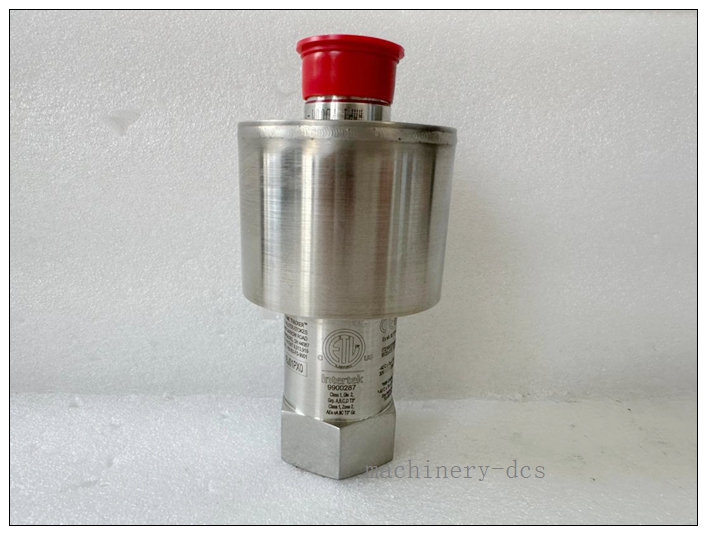
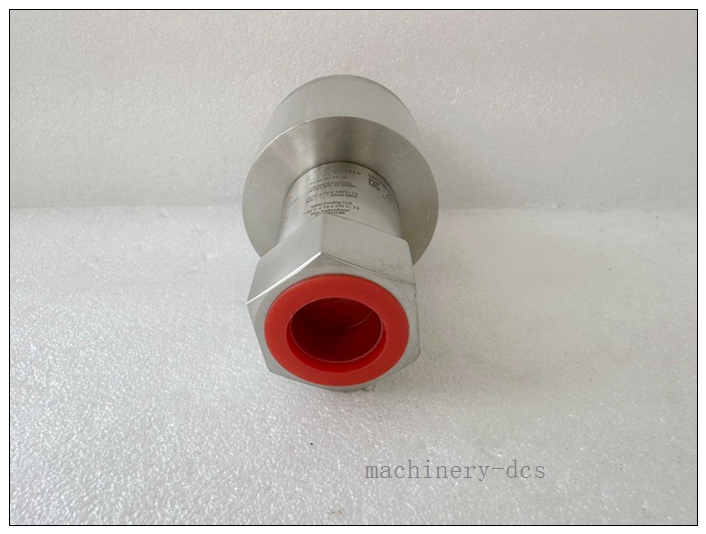
Reuter‑Stokes (GE Vernova) RS‑FS‑9001 Flame Tracker SiC UV Flame Sensor, Water‑Cooled, Hazardous Area Zone 2 Rated
Product Detailed Information
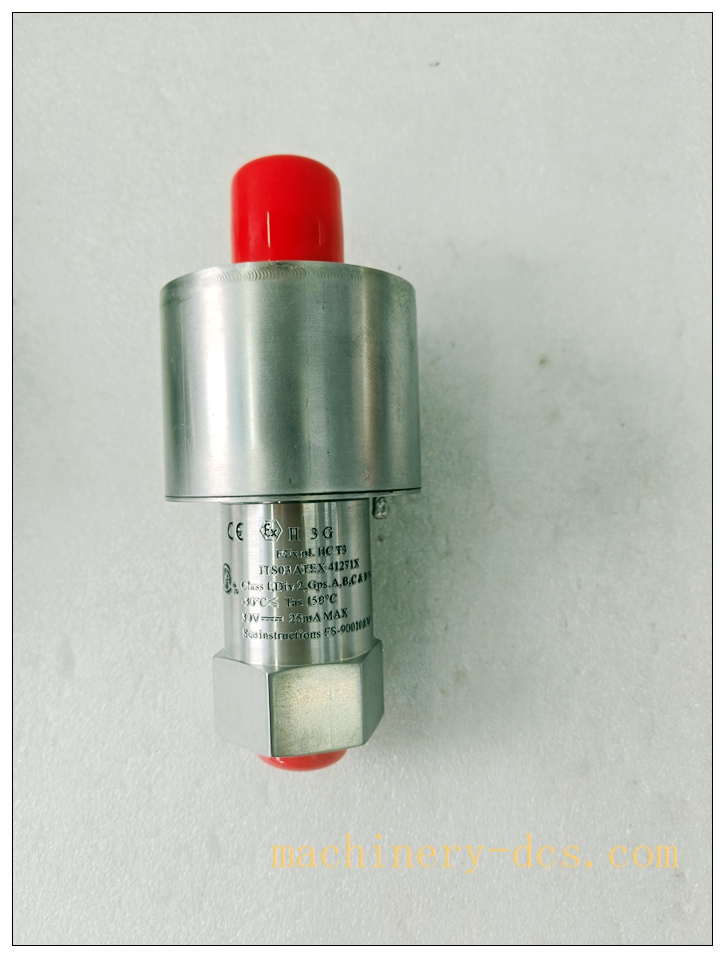
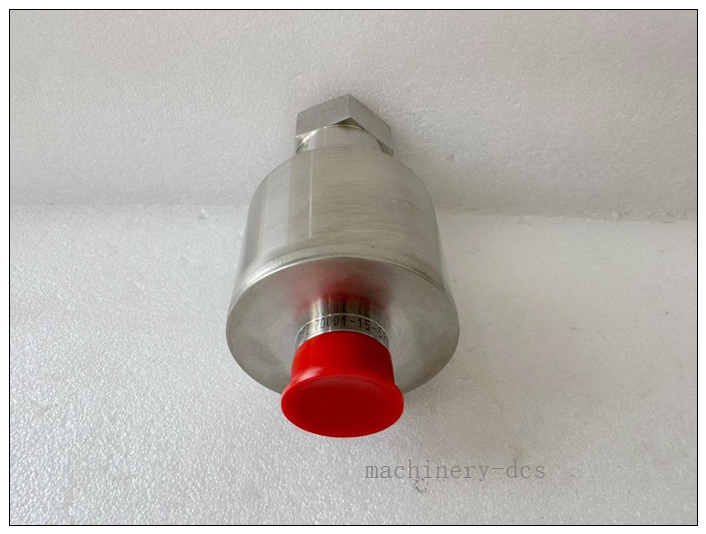
The RS‑FS‑9001 is a silicon‑carbide (SiC) ultraviolet flame tracker sensor built for gas‑turbine combustion monitoring. It detects UV spectral radiation emitted by hydrocarbon flames and converts flame intensity into 4‑20 mA two‑wire analog output for turbine protection logic. This unit requires water cooling for high‑ambient turbine enclosure service, carries Zone 2 hazardous‑area certification, incorporates built‑in optics self‑diagnosis to detect sapphire window fouling or sensor degradation, and features a MIL‑DTL‑38999 Series‑III circular electrical connector for field cabling. Cross‑reference GE drawing number: 362A1052P‑series. OEM production discontinued; new‑old‑stock, calibrated refurbished and field‑recovered spare units support gas‑turbine life‑extension maintenance projects。
RS-FS-9001
Technical Parameters
| Item | Specification |
|---|---|
| Manufacturer | Reuter‑Stokes (GE Vernova / Baker Hughes) |
| Model | RS‑FS‑9001 |
| Product Status | OEM Discontinued, spare‑part‑only supply |
| Detection Technology | SiC photodiode, ultraviolet spectral band for hydrocarbon flame detection |
| Response Time | <25 ms fast flame‑loss detection |
| Output Signal | 2‑wire 4‑20 mA DC, proportional to flame intensity; built‑in self‑diagnostic fault level reporting |
| Power Supply | 12‑30 VDC, typical 24 VDC; consumption>100 mA |
| Cooling Requirement | Water‑cooled design; max ambient 150 °C; up to 235 °C with valid water cooling |
| Process Connection | 3/4‑inch NPT female mounting thread onto combustor housing |
| Electrical Connector | MIL‑DTL‑38999 Series‑III size‑15, 5‑pin bayonet circular connector |
| Optical Window | Sapphire window for high‑temperature resistance and chemical erosion immunity |
| Hazardous‑Area Rating | ATEX / IECEx Zone 2, Class I Div 2 certifiedBaker Hugh… |
| Vibration Survivability | 8 G continuous (40‑2000 Hz), 14 G peak shock per IEC 60068‑2‑6 / 2‑27 |
| Ingress Protection | IP67 when fully assembled |
| Storage Temperature | ‑40 ℃ ~ +125 ℃ |
| Humidity | 5‑95 % RH non‑condensing |
| Weight | ≈0.30 kg |
| Certifications | CE, ATEX, IECEx, complies with NFPA gas‑turbine flame‑monitoring standards |
Compatibility & Installation Traps
Compatibility
- RS‑E2‑0285 series dedicated high‑temperature flame‑sensor signal cable assembly (MIL‑38999 mating)
- GE heavy‑duty gas‑turbine flame‑amplifier / flame‑monitor logic, Mark VI / Mark VIe turbine control systems
- Combustor mounting boss with 3/4‑inch NPT thread; cooling‑water supply circuit for sensor jacket cooling
Critical note: RS‑FS‑9001 is water‑cooled, Zone 2 variant. Do not interchange with RS‑FS‑9004 (Zone 0 rated) or RS‑FS‑9009 dry‑non‑water‑cooled sensor; mechanical thread is similar but cooling and hazardous‑area ratings differ. System must interpret 4‑20 mA flame‑strength loop plus sensor fault diagnostic levels; generic 4‑20 mA transmitter cannot replace this flame‑specific SiC detector.
Installation Traps
- Water‑cooling mandatory risk: Never energize sensor without active cooling‑water flow under turbine‑enclosure high‑temperature conditions. Missing cooling will rapidly destroy internal SiC detector electronics. Verify flow and temperature before turbine commissioning.
- Optical alignment requirement: Sapphire window must aim directly into flame cone field‑of‑view. Mis‑alignment produces low‑magnitude flame signal, nuisance flame‑loss trips even with healthy combustion.
- Window fouling risk: Oil soot, carbon deposits on sapphire window attenuate UV signal. Periodic purge‑air or water‑wash maintenance is required; heavy fouling triggers false flame‑out.
- MIL‑38999 connector handling: Bayonet connector must fully lock‑click; avoid forced mating. Contamination from turbine oil, carbon dust causes intermittent signal dropout.
- Cable routing & shielding: Use original RS‑E2‑0285 high‑temperature shielded cable. Route separately from ignition high‑voltage cables; apply single‑end shield grounding scheme. Double‑ended grounding creates ground‑loop noise and unstable flame‑strength readings.
- No hot‑swap during turbine firing: Sensor replacement requires unit shutdown, cooling‑water isolation, and amplifier power de‑energization. Live removal disables flame‑protection safety interlock.
- ESD vulnerability: SiC photodiode and internal signal circuits are static‑sensitive. ESD wrist‑strap mandatory during handling; invisible ESD damage results in drifting intensity or complete dead‑sensor faults.
- Post‑replacement functional validation: After hardware swap, perform flame‑loop test; verify baseline flame‑strength milliamp value, fault‑mode reporting, and flame‑loss trip‑logic response. New sensor does not retain historical site calibration data.
RS-FS-9001
Standard Operating Procedure (SOP)
- Pre‑work: Execute plant lock‑out‑tag‑out for gas‑turbine unit. Confirm turbine complete shutdown, combustor cool‑down, cooling‑water circuit isolation, flame‑amplifier power cut‑off. Wear certified ESD anti‑static wrist strap.
- Data backup: Record baseline flame‑strength 4‑20 mA reading from turbine HMI / DCS; document connector pin‑assignment, cooling‑water flow parameters; export flame‑monitor historical fault log.
- Unit removal: Isolate and depressurize sensor cooling‑water jacket. Unlock and disconnect MIL‑38999 electrical connector. Unscrew RS‑FS‑9001 sensor from combustor 3/4‑inch NPT mounting boss. Inspect sapphire window for carbon fouling; inspect mounting thread, cooling‑water port for debris or corrosion.
- Incoming inspection: Visually inspect spare RS‑FS‑9001 sensor; verify full part‑number marking. Check sapphire optical window for scratch or contamination; inspect MIL‑38999 pin contacts, cooling‑water port passage integrity.
- Mechanical mounting: Apply correct thread sealant on 3/4‑inch NPT mounting thread; screw sensor into combustor boss to specified torque, confirm optical viewing‑angle alignment toward flame cone. Re‑connect cooling‑water supply circuit, perform leak‑check for jacket cooling circuit.
- Cabling: Carefully mate RS‑E2‑0285 MIL‑38999 bayonet connector until positive lock‑click. Complete cable‑shield termination following single‑end grounding instruction.
- Power‑on commissioning: Restore cooling‑water flow and verify flow rate meets specification. Energize flame‑amplifier power supply. Clear old fault logs inside turbine protection controller.
- Functional validation: Execute flame‑sensor loop functional test. Verify 4‑20 mA flame‑strength signal baseline reading. Simulate flame‑present / flame‑loss condition to validate protection‑logic trip response. Cross‑check value consistency between local amplifier and DCS‑HMI. Confirm no persistent sensor‑fault or signal‑dropout alarms.
- Documentation: Update gas‑turbine maintenance log, archive sensor serial‑number, cooling‑water parameters, loop‑test‑result records. Properly package defective removed sensor unit. Release lock‑out‑tag‑out permit only after full acceptance‑test successfully completed.
Application Scenarios
‑ Heavy‑duty gas‑turbine combustion‑chamber flame‑detection & safety protection for power‑generation plants ‑ Detect flame‑present / flame‑loss status; trigger fuel shut‑off interlock upon flame‑out event ‑ Low‑NOx burner, steam‑injection gas‑turbine combustion monitoring ‑ Legacy Reuter‑Stokes flame‑detection platform preventive maintenance & life‑extension retrofit projects
Matching & Supporting Components
- RS‑E2‑0285 series high‑temperature shielded flame‑sensor cable assembly (MIL‑38999 mating)
- GE gas‑turbine flame‑amplifier / flame‑monitor protection logic hardware for Mark VI / VIe control system
- Sensor jacket cooling‑water supply circuit with flow monitoring
- Sapphire‑window cleaning kit; MIL‑38999 connector inspection & cleaning tool
- ESD‑shielded anti‑static storage bag for spare‑sensor storage
Brand‑Related Alternative & Recommended Models
- RS‑FS‑9004: Water‑cooled SiC flame sensor, Zone 0 hazardous‑area rating; different explosion‑protection classification, cannot direct substitute without system hazard‑reviewBaker Hugh…
- RS‑FS‑9009‑03: Dry‑type non‑water‑cooled Flame‑Tracker sensor for high‑ambient installations without water‑cooling infrastructureBaker Hugh…
- Baker Hughes modern flame‑detection product lines: For complete system‑migration new‑build projects

 Start Chat


 Send an Email