
Description
Product Core Introduction
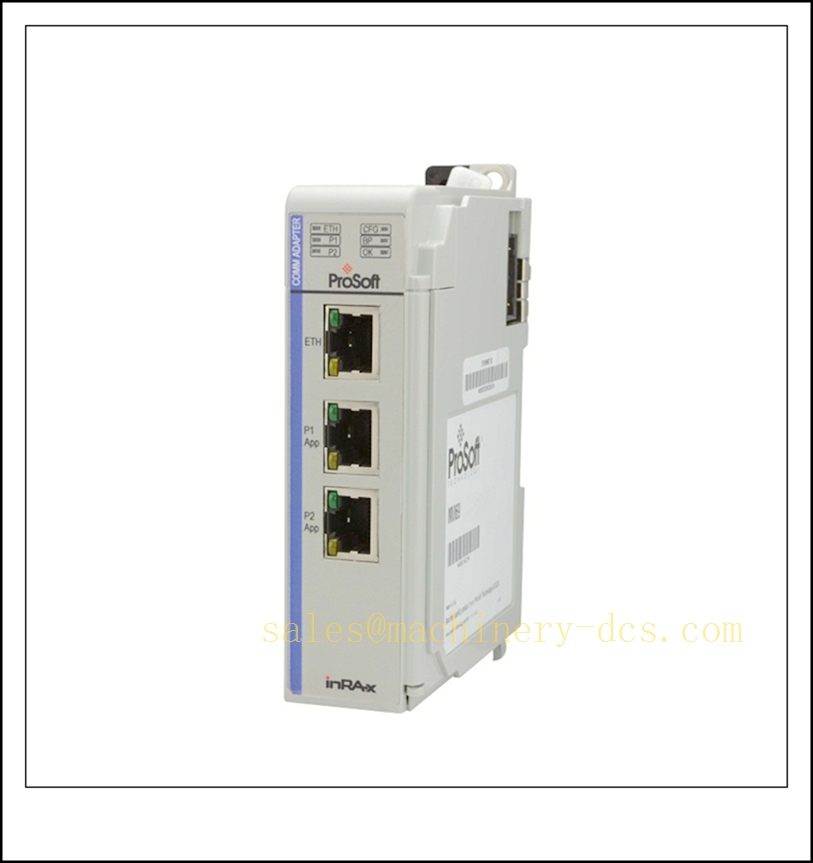
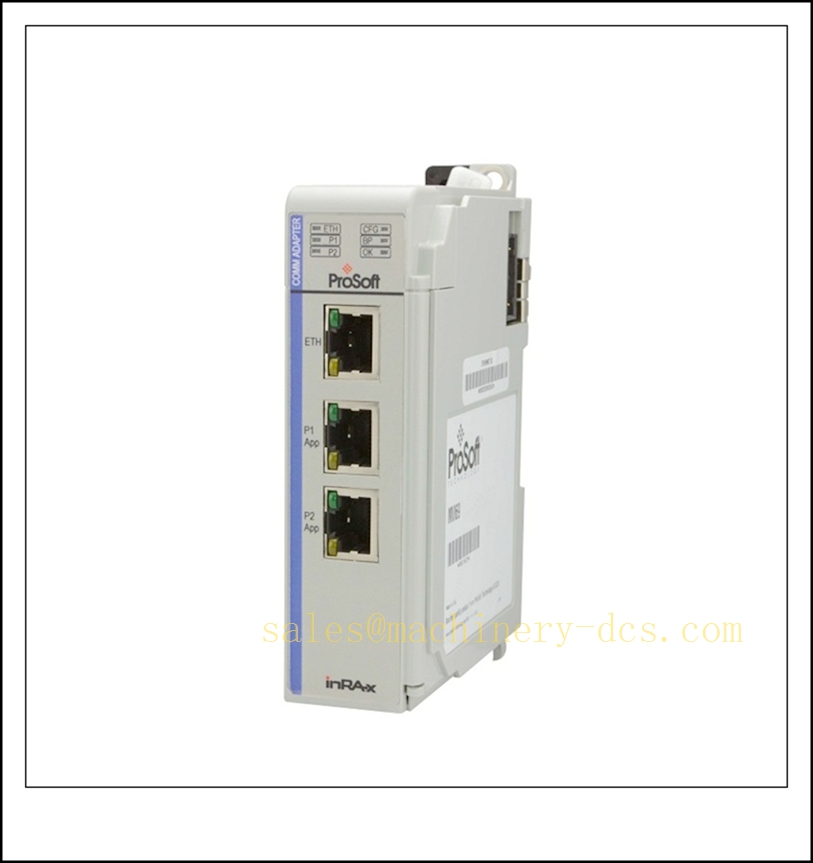
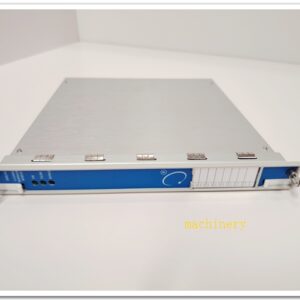
The MVI69E-MBS is a specialized industrial communication module designed to facilitate seamless data exchange in automation systems. It functions as a bridge between different network protocols, enabling devices with incompatible communication standards to interact efficiently. Part of a broader family of mediation modules, the MVI69E-MBS is known for its reliability in harsh industrial environments, supporting applications that demand real-time data transfer and robust connectivity.
Key Technical Specifications
- Model: MVI69E-MBS
- Function: Protocol conversion and network mediation.
- Supported Protocols: Typically includes Modbus (RTU/TCP), Profibus, DeviceNet, or other industry-standard protocols (specific to configuration).
- Communication Ports: Multiple ports (e.g., RS-232, RS-485, Ethernet) for flexible integration.
- Operating Environment: Withstands temperatures from -40°C to +70°C, suitable for industrial settings.
- Power Requirements: Low-voltage DC input, often compatible with standard industrial power supplies.
- Mounting: DIN-rail mountable for easy installation in control cabinets.
Recommended Models from the Same Series
For users exploring alternatives or complementary solutions, consider these related models:
- MVI56E Series: For applications requiring additional I/O or different protocol support.
- MVI71 Series: High-performance modules with advanced features for complex automation tasks.
- MVI46 Series: Compact and cost-effective solutions for smaller-scale industrial networks.
Professional Quality Control & Testing Standards
To ensure top-tier performance and reliability, the MVI69E-MBS undergoes rigorous quality control procedures:
- Component Screening: All internal parts are tested for electrical characteristics and durability.
- Functional Testing: Each module is verified under simulated operating conditions to confirm protocol conversion accuracy.
- Environmental Testing: Exposure to extreme temperatures, humidity, and vibration to validate resilience.
- Long-Term Burn-In: Continuous operation testing to identify potential failures before deployment.
- Final Inspection: A comprehensive review to ensure compliance with industrial standards (e.g., CE, UL).
Installation Guidelines
- Pre-Installation Check:
- Confirm protocol compatibility with your existing network devices.
- Ensure the module’s power requirements match your power supply specifications.
- Mounting:
- Secure the module on a DIN rail within your control cabinet, allowing adequate space for ventilation.
- Wiring:
- Connect communication cables to the appropriate ports, following the provided wiring diagram.
- Use shielded cables to minimize electromagnetic interference (EMI).
- Configuration:
- Use the manufacturer’s software to configure protocol settings, network addresses, and data mapping.
- Testing:
- Conduct initial tests to verify data exchange between connected devices before full integration.
Application Scenarios & Key Features
- Application Scenarios:
- Industrial Automation: Integrates PLCs, sensors, and actuators across different network protocols.
- Building Management Systems (BMS): Facilitates communication between HVAC, lighting, and security systems.
- Energy Management: Connects power meters, inverters, and control systems for efficient energy monitoring.
- Process Control: Ensures real-time data flow in manufacturing and chemical processing plants.
- Key Features:
- Protocol Versatility: Supports multiple industrial protocols for broad compatibility.
- Robust Design: Industrial-grade construction for reliable operation in demanding environments.
- Easy Integration: Plug-and-play setup with intuitive configuration tools.
- Real-Time Performance: Low-latency data transfer for time-sensitive applications.
Frequently Asked Questions (FAQs)
Q1: What is the primary purpose of the MVI69E-MBS module?
A: It acts as a communication bridge, enabling data exchange between devices using different industrial protocols, thus enhancing system interoperability.
Q2: Can this module be used in hazardous environments?
A: Yes, its industrial-grade design allows operation in a wide range of temperatures and conditions, but always verify specific ratings for your application.
Q3: What are the key considerations for installing this module?
A: Ensure protocol compatibility, proper mounting, correct wiring to avoid EMI, and thorough testing before full deployment.
Q4: How does the module ensure reliable data transfer?
A: Through rigorous quality control, environmental testing, and support for error-checking mechanisms inherent in the supported protocols.
Q5: Where can I find technical support or replacement parts?
A: Contact the manufacturer’s customer service or an authorized distributor for assistance with technical issues, replacements, or spare parts procurement.

 Send an Email