
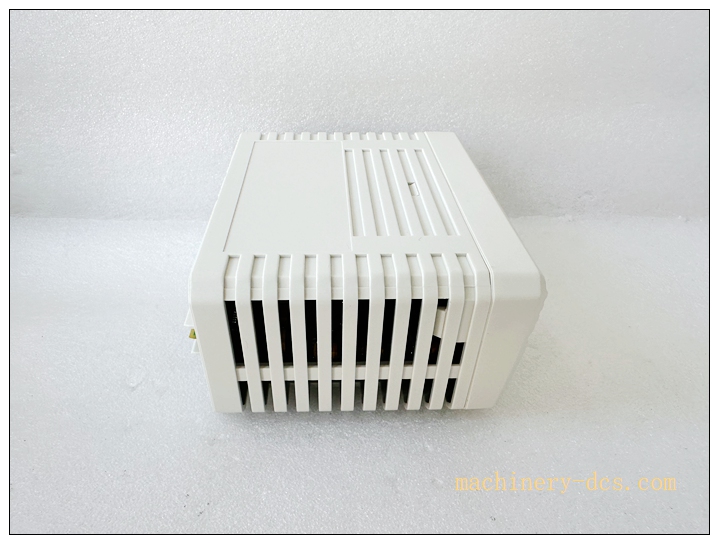
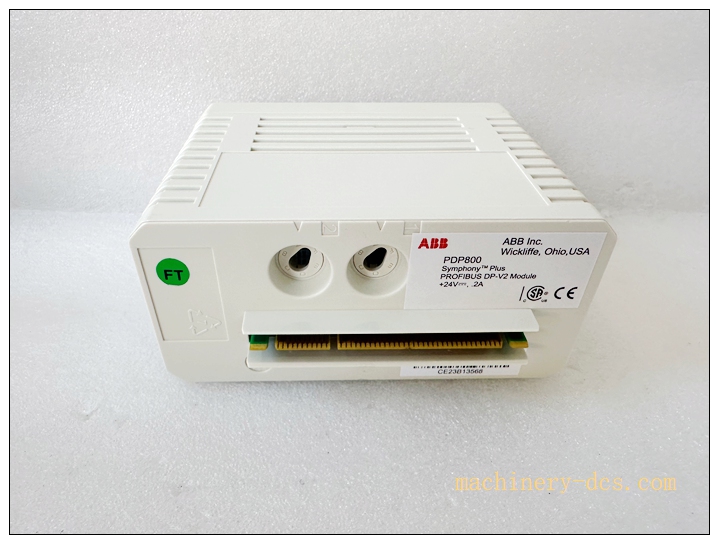
Description
ABB PDP800 PROFIBUS‑DP Master Interface Module for Symphony Plus SD‑Series / HPC800 Controller
Product Detailed Description
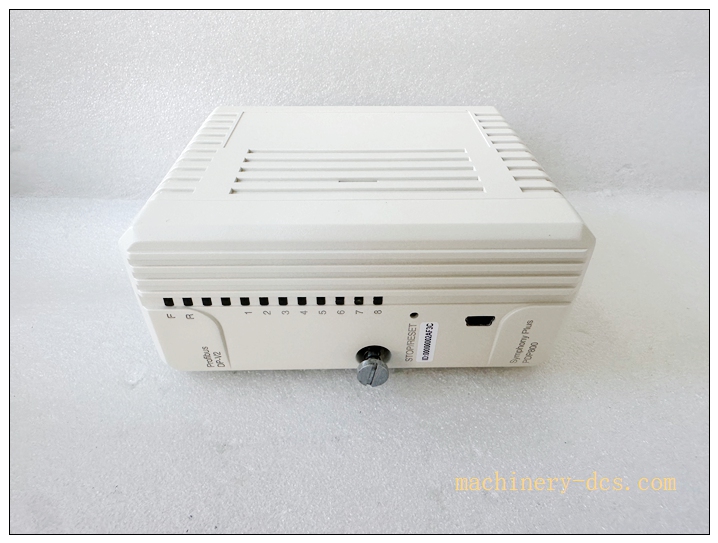
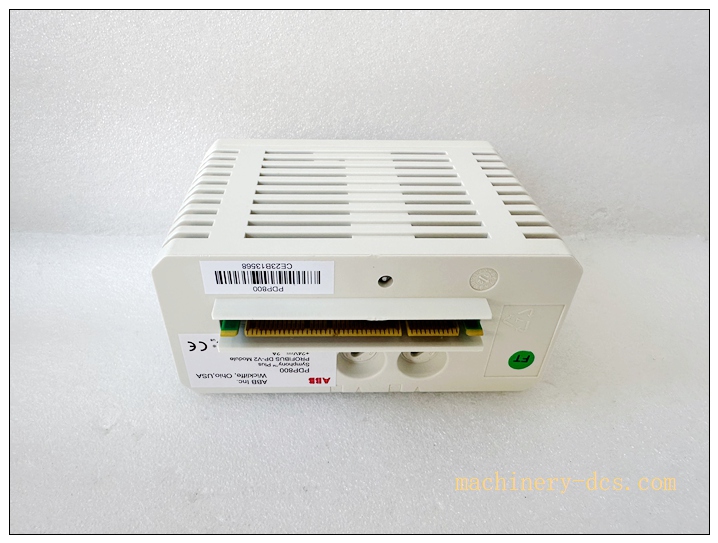
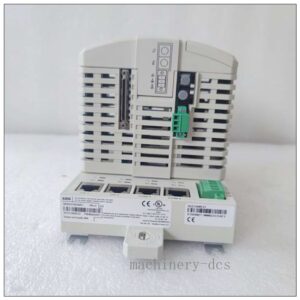
PDP800 is a hot‑swappable PROFIBUS‑DP master communication module within ABB Symphony Plus SD‑series hardware portfolio, developed for HPC800, SPC700 and BRC‑family DCS controllersABB Group. It acts as dedicated PROFIBUS‑DP master, implementing DP‑V0, DP‑V1 and DP‑V2 protocols to connect the DCS controller to field PROFIBUS‑DP slaves, smart transmitters, valve positioners, S800 remote I/O stations and third‑party intelligent electronic devices (IEDs)abb-drive …. It supports copper‑based PROFIBUS‑DP cabling as well as fiber‑optic extension via cRBX01 bus extenders, enabling long‑distance fieldbus deployment up to 15 km over fiber mediaeero. The module supports time‑stamped event sequence (SOE) via DP‑V2, can be deployed in single or redundant hot‑standby pairs, and features multi‑color front‑panel LED diagnostics for module health, bus status and slave fault indication. Original OEM production is discontinued; new‑old‑stock, refurbished and field‑pulled spare units are widely available for power‑plant, petrochemical and water‑treatment plant life‑extension maintenance projectseero.
PDP800
Technical Parameters
| Item | Specification |
|---|---|
| Manufacturer | ABB (Sweden) |
| Model | PDP800; corrosion‑resistant variant: PDP800A (G3 coating) |
| System Platform | Symphony Plus SD‑Series, HPC800 / SPC700 / SPBRC controllers |
| Product Status | OEM Discontinued, spare‑part‑only supply |
| Function | PROFIBUS‑DP Master (DP‑V0 / DP‑V1 / DP‑V2) |
| Max Supported Slaves | 125 PROFIBUS‑DP slave devices per module |
| Baud Rate | 9.6 k‑12 Mbps configurableeero |
| Media Support | Copper PROFIBUS‑DP cable; fiber‑optic via cRBX01 extender; supports DP‑PA via DP/PA couplerabb-drive … |
| Max Copper Segment Length | 30 m; fiber‑optic extension up to 15 kmeero |
| Controller Capacity | HPC800: max 8 redundant PDP800 pairs; SPC700: max 2 redundant pairseero |
| Backplane Interface | HN800 internal horizontal bus towards controller rack |
| Power Supply | 24 VDC ±10 %, typical 3.6 W consumption; supports redundant power input |
| Mounting | 35 mm standard DIN‑rail; mates with PTU810A termination base unit |
| Hot‑Swap | Supported under controlled plant conditions |
| Operating Temperature | ‑20 °C ~ +60 °C; G3‑coated PDP800A for corrosive environment |
| Storage Temperature | ‑40 °C ~ +85 °C |
| Relative Humidity | 5‑95 % RH non‑condensing |
| Protection Class | IP20, cabinet‑mount only |
| Indicators | Run, Fault, Bus‑Active, Slave‑diagnostic multi‑LED array |
| Weight | Approx. 0.38 kg |
| Certifications | CE, UL, IEC 61010‑1, ISA‑S71.04 industrial standard |
| Engineering Tool | S+ Engineering (Symphony Plus Engineering) |
Compatibility & Installation Traps
Compatibility
- ABB HPC800 (paired with HC800 / CP800), SPC700, SPBRC400/410 / SPBRC300 controllers within Symphony Plus platformeero
- S800 I/O stations, PROFIBUS‑DP field instruments, valve positioners, IEDs, DP‑PA devices via DP/PA link couplerabb-drive …
- PTU810A dedicated termination base for PDP800 module
- S+ Operations HMI, S+ Engineering configuration software, GSD‑file based third‑party PROFIBUS devices
Critical note: PDP800 cannot run standalone. It must be configured and downloaded via S+ Engineering. Firmware revision must match host controller firmware. Redundant pairs must run identical firmware versions.
Installation Pitfalls
- Firmware mismatch risk: Mismatched firmware between and host controller will trigger bus initialization failure, cyclic data loss or redundant‑pair synchronization breakdown. Always verify firmware compatibility before commissioning.
- PROFIBUS‑DP termination error: Only two physical endpoints of each copper bus segment require 120 Ω termination resistor. Missing, duplicate or mis‑positioned termination causes signal reflection, intermittent CRC errors and random slave drop‑out.
- Ground‑loop interference: PROFIBUS‑DP shield cable grounding must follow project‑specific grounding rules. Multiple‑point grounding under unequal‑potential sites creates ground‑loop noise and bus communication flapping.
- Hot‑swap limitation: Hardware supports hot‑swap, but avoid hot‑swap during critical process transient periods. For safety‑related control loops, perform replacement under controlled plant operating state.
- PTU810A base requirement: must install onto PTU810A termination base; generic DIN‑rail adapters cannot provide correct HN800 backplane electrical connection.
- ESD vulnerability: Backplane connector and PROFIBUS transceiver circuits are static‑sensitive. ESD wrist‑strap is mandatory for all handling operations; invisible ESD damage generates sporadic bus faults without visible component burn.
- GSD‑file and slave‑address conflict: After module replacement, confirm imported GSD‑files match physical field‑device versions; duplicate PROFIBUS slave addresses produce complete bus segment failure.
- Part‑number identification: Distinguish vs corrosion‑resistant PDP800A variant; do not confuse with CI‑series communication modules, which implement different fieldbus protocols and are non‑interchangeable.
PDP800
Standard Operating Procedure (SOP)
- Pre‑work: Apply plant lock‑out‑tag‑out for related control segment. For redundant pair swap, confirm standby is healthy and ready for bumpless take‑over. Wear certified ESD anti‑static wrist strap.
- Data backup: Backup complete S+ Engineering project database; record host‑controller firmware, firmware revision, PROFIBUS‑DP baud‑rate, slave‑address table, imported GSD‑files and bus‑diagnostic parameters.
- Module removal: Record front‑panel LED status before removal. Disconnect PROFIBUS‑DP field wiring on PTU810A base. Extract module from PTU810A base unit. Inspect base and HN800 backplane connector for bent pins, oxidation or burn damage.
- Incoming inspection: Visual check spare for mechanical damage; verify full part‑number marking and hardware revision; confirm whether G3 anti‑corrosion coating is required for cabinet environment.
- Mechanical mounting: Insert new firmly into termination base, confirm locking mechanism fully engaged and good backplane contact. Ensure is securely clipped onto 35 mm DIN‑rail.
- Field wiring: Re‑connect PROFIBUS‑DP shielded twisted‑pair cable strictly per original drawing; verify bus‑segment termination resistor setting and shield‑ground implementation.
- Power‑on commissioning: Restore 24 VDC power supply. If firmware‑version mismatch exists, perform firmware upgrade / downgrade to align with host‑controller version. Download backed‑up project configuration including PROFIBUS‑DP master parameters, slave‑list and GSD‑device settings.
- Functional validation: Observe front‑panel LED status. Execute PROFIBUS‑DP bus diagnostic scan, verify all slave devices are detected without CRC or diagnostic errors. Check process‑tag data refresh in HMI. For redundant pair, execute active‑standby switch‑over test and confirm bumpless fail‑over without data loss. Confirm no bus‑fault alarms persist.
- Documentation: Fill plant maintenance log, archive firmware version and PROFIBUS‑bus‑configuration records. Properly package defective removed module. Release lock‑out‑tag‑out permit only after full acceptance‑test is successfully completed.
Application Scenarios
‑ Thermal‑power‑plant DCS: boiler, turbine auxiliary control PROFIBUS‑DP field‑device integration ‑ Petrochemical refinery and offshore‑platform process automation, smart transmitters & valve‑positioner bus connection ‑ Chemical continuous‑process plant, S800 remote‑I/O over PROFIBUS‑DP ‑ Water‑supply & waste‑water‑treatment distributed control system ‑ Legacy ABB Symphony Plus HPC800 / SPC700 system preventive maintenance & life‑extension retrofit projects
Matching & Supporting Components
- dedicated termination base unit for module
- Host controller: / SPC700 / SPBRC‑series controller with matching firmware
- Shielded PROFIBUS‑DP twisted‑pair field‑cable; cRBX01 fiber‑optic bus extender for long‑distance linkseero
- S+ Engineering configuration software, correct GSD‑files for field‑slave devices
- 24 VDC regulated industrial power supply, redundant power source for high‑availability cabinet
- PROFIBUS‑DP termination resistors, DP/PA coupler for PROFIBUS‑PA instrument integration
Brand‑Related Alternative & Recommended Models
- PDP800A: G3 corrosion‑resistant coated variant of for cabinet with corrosive gas atmosphere
- CI850: Symphony Plus communication interface for IEC‑61850 protocol, different function, not PROFIBUS‑DP master
- SPC‑series integrated fieldbus interfaces: New‑generation Symphony Plus controller embedded communication ports for full‑system‑migration projects

 Start Chat


 Send an Email