
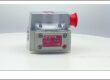
Bently Nevada 288055-01 Accelerometer + 146031-01 Mounting Base, 330500 Series High-Frequency Piezoelectric Velocity Transducer, Case Vibration Sensor for Turbomachinery
Technical Specifications
- Catalog Number: 288055-01 (Accelerometer Sensor), 146031-01 (Magnetic / Stud Mount Base)
- Brand: Bently Nevada (Baker Hughes)
- Product Type: Piezoelectric accelerometer, 330500 series velocity transducer
- Measurement Type: Case absolute vibration (acceleration / velocity)
- Sensitivity: 100 mV/g nominal
- Frequency Range: 5 Hz ~ 10 kHz (±3 dB)
- Dynamic Range: ±80 g peak
- Resonance Frequency: ≥25 kHz
- Housing Material: 316L stainless steel
- Operating Temperature: -55 °C ~ +121 °C (-67 °F ~ +250 °F)
- Electrical Connector: 2-pin MIL circular connector
- Mounting: Direct stud mount or magnetic base (146031‑01)
- Output: AC coupled, low impedance piezoelectric signal
- Compatibility: 3500/45, 3500/42M monitors, 3300 monitors, System 1
- Lifecycle Status: Mature spare part, supported for legacy TSI systems
- Compliance: API 670, CE, Class I Div 2 hazardous area rating
- Weight (Sensor alone): ~70 g; Assembly with base ~110 g
Key Features & Advantages
- Paired assembly: 288055‑01 vibration sensor mates with 146031‑01 mounting base for quick installation on machine casings.
- High frequency response: Captures bearing fault, gear mesh and blade pass vibration that proximity probes cannot detect.
- 316L stainless steel construction: Resists corrosion in refinery, offshore, humid and corrosive process environments.
- Low impedance output: Good noise immunity for moderate cable lengths in machinery compartments.
- Dual mounting option: 146031‑01 base can be used as magnetic temporary mount or fixed stud base for permanent installation.
- API 670 compliant: Approved for safety-critical turbomachinery case vibration protection.
- Drop-in replacement for existing 330500 series accelerometer points: No rework required for monitor scaling.
- Wide operating temperature range: Suitable for compressor, turbine and hot pump casing locations.
Application Fields
- Centrifugal compressors, turboexpanders and gas turbine casing vibration monitoring
- Steam turbine bearing housing absolute vibration measurement
- Gearbox high-frequency fault detection and condition monitoring
- Large process pumps, fans and blowers bearing housing vibration
- Offshore and refinery rotating machinery TSI systems
- LNG compression skids and refrigeration compressors
- Temporary vibration survey and permanent protection points
- Retrofit replacement for existing Bently 330500 accelerometer installations
Related Product Recommendations
- 330525-01: Integral cable version of 330500 accelerometer
- 167100-01: Bently accelerometer extension cable
- 3500/45: 3500 series accelerometer monitor module
- 3500/42M: Vibration and position monitor
- 3300/25: Legacy rack-based vibration monitor
- 146032-01: High temperature stud mount base variant
- 330400: Bently high-temperature accelerometer family
- Stainless steel mounting studs and thermal isolation pads
- System 1 condition monitoring software
- Shielded low-noise accelerometer cable
Installation & Maintenance
Installation
- For permanent critical protection points, preferred method is stud mounting; magnetic base (146031‑01) is mainly for temporary survey.
- Clean mounting surface thoroughly; flat, smooth surface maximizes high-frequency signal transfer and avoids resonance errors.
- Torque the sensor onto the mounting base to recommended torque value; over-tightening can damage internal piezo element.
- Route shielded accelerometer cable separately from high-power, servo and proximity probe coax cables to reduce electrical noise.
- Connect to matching Bently accelerometer monitor channel; configure unit (velocity mm/s or ips) and frequency band in software.
- Confirm hazardous area classification and cable sealing requirements for Class I Div 2 locations.
- Avoid mounting on thin, resonant sheet metal covers; select solid machine casting or bearing housing.
- Record sensor serial number, mounting location and baseline vibration signature after commissioning.
Maintenance
- During turnaround inspections, check connector pins for corrosion, cable jacket damage and base looseness.
- Review vibration spectrum and alarm status in System 1; rising high-frequency components indicate bearing degradation.
- Check for loose mounting first if readings are noisy or low amplitude; poor contact is the most common failure cause.
- Do not use magnetic base for permanent machinery protection circuits; magnetic mounts can shift under vibration.
- Keep spare matched assemblies (288055‑01 +146031‑01) for critical compressor/turbine points.
- After replacement, perform baseline spectrum capture and compare against historical reference before returning to service.
- Do not open the sensor housing; the piezo element is factory calibrated and cannot be adjusted on site.
- Store calibration data, alarm setpoints and spectrum baseline in machinery protection asset files.


 Send an Email