
Description
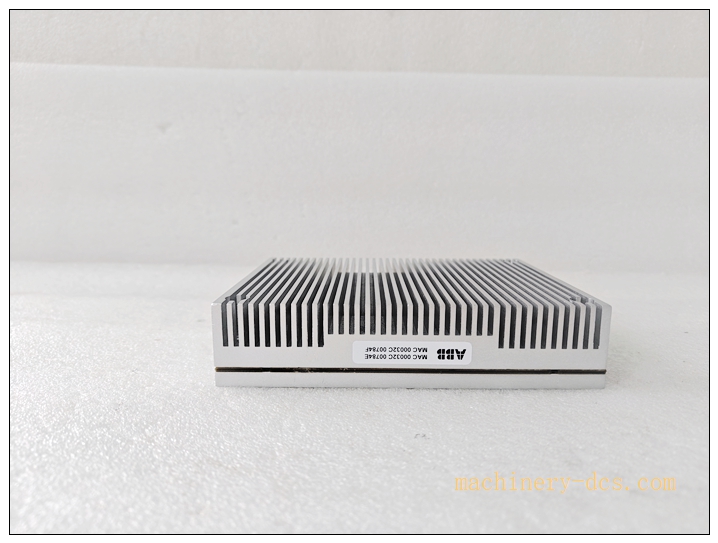
ABB PPD103B101 (3BHE020455R0101) Power Processing Device Board
Product Detailed Description
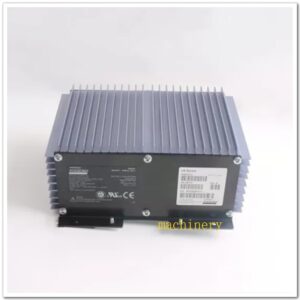
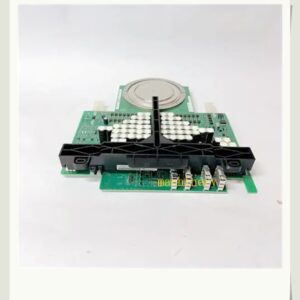
The ABB PPD103B101, part number 3BHE020455R0101, is a dedicated power processing unit PCB designed for ABB Unitrol series static excitation systems. This module handles high‑speed pulse generation, thyristor gate firing control, field current measurement and power‑stage feedback regulation for synchronous generator excitation cabinets. It interfaces between the main excitation controller CPU board and SCR thyristor power stacks, executing firing angle calculation, pulse amplification, and real‑time field loop monitoring. Original OEM manufacturing has been discontinued. Available units include new‑old‑stock surplus, factory‑refurbished, and used pulled spare parts for power‑plant maintenance and retrofitting.
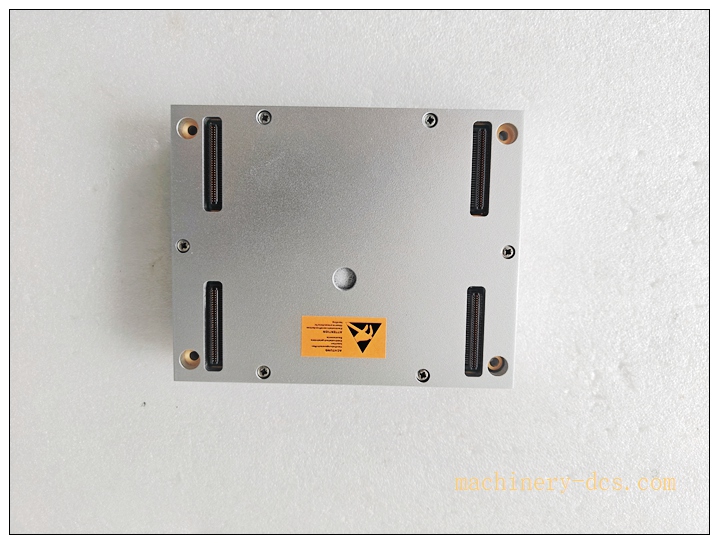
PPD103B101 3BHE020455R0101
Technical Parameters
| Item | Specification |
|---|---|
| Manufacturer | ABB |
| Model | PPD103B101 |
| Part Number | 3BHE020455R0101 |
| Country of Origin | Sweden |
| Product Status | OEM Discontinued, spare‑part only |
| Function | SCR firing pulse generation, field current feedback processing |
| Control Interface | High‑speed backplane bus to main excitation controller |
| Firing Output | Galvanic isolated pulse outputs for thyristor gate drivers |
| Measurement Input | Field current analog signal conditioning input |
| Auxiliary Supply | 24 VDC ±10 %, typical power draw 7.5 W |
| Operating Temperature | -20 °C ~ +70 °C |
| Storage Temperature | -40 °C ~ +85 °C |
| Relative Humidity | 5‑95 % RH, non‑condensing |
| Typical MTBF | 220 000 hours |
| Dimension | 135 × 142 × 48 mm |
| Weight | Approx. 0.52 kg |
| Certifications | CE, IEC 61000‑6‑2, IEC 61000‑6‑3 |
Compatibility & Installation Pitfalls
Compatibility
- ABB UNITROL 5000 static excitation system cabinets
- UNITROL 6000 legacy excitation racks
- Matches with UAC389AE02 (HIEE300888R0002) main processor board as system pair
Critical note: This board works as part of a matched system set. Mismatch between PPD board hardware revision and CPU firmware will break firing sequence synchronization. Cannot operate independently without the host excitation controller.
Installation Pitfalls
- ESD vulnerability: On‑board pulse transformers and signal processing chips are static‑sensitive. ESD wrist strap and anti‑static mat are mandatory during handling; invisible static damage causes intermittent firing mis‑fire faults.
- Backplane connector damage: Gold‑plated edge connector pins are easily scratched during misaligned insertion. Partial pin contact leads to random loss of thyristor firing pulses and generator field trips.
- Revision & firmware matching: Different hardware revisions of PPD103B101 are not fully interchangeable. Always cross‑check hardware revision sticker and coordinate firmware version with existing CPU controller before installation.
- Hot‑swap prohibition under loaded condition: Even if rack supports hot‑swap hardware, never perform hot replacement while generator is online. Uncontrolled firing pulse output can damage thyristor power stacks. Full rack power‑down is required for generator operational sites.
- Electromagnetic interference risk: Do not mount this board adjacent to high‑power SCR modules. Heavy EMI can distort firing pulse signals and trigger unstable excitation output.
- Part number double‑check: Verify both silk‑screen model PPD103B101 and label part number 3BHE020455R0101 on physical hardware; avoid confusion with similar PPD‑series derivative boards.
Standard Operating Procedure (SOP)
- Pre‑job preparation: Apply equipment lock‑out‑tag‑out permit. Completely de‑energize rack 24 V auxiliary supply and high‑power excitation circuits. Put on ESD protection gear.
- Data backup: Connect engineering tool to excitation controller, back up full system parameters and record current CPU firmware revision.
- Module removal: Unlock rack retaining latches, extract existing PPD board smoothly without twisting, inspect backplane socket for bent or burnt pins.
- Incoming inspection: Examine spare unit for component burn marks, cracked solder joints and connector deformation. Confirm dual part‑number marking compliance.
- Module insertion: Align with rack guide rails, insert evenly, fasten locking latches firmly to ensure full connector engagement.
- Power‑on commissioning: Restore auxiliary 24 V power. Check backplane communication status. Upgrade or downgrade system firmware if hardware‑firmware mismatch exists, restore saved configuration parameters.
- Functional validation: Run static excitation test. Verify thyristor firing sequence, field current feedback sampling and protection interlock responses. Confirm no mis‑fire or pulse‑loss alarms.
- Documentation: Fill out site commissioning log. Pack the defective removed board properly for failure analysis or return.
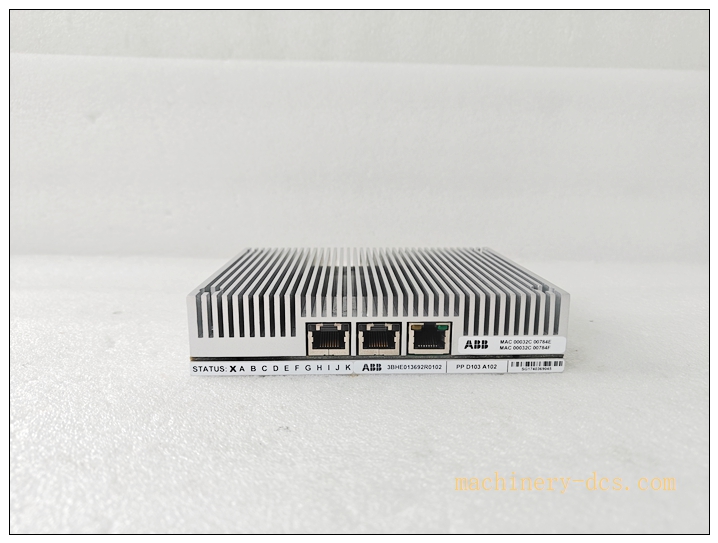
PPD103B101 3BHE020455R0101
Application Scenarios
‑ Power generation plants: Thermal power, hydropower, combined‑cycle power station synchronous generator UNITROL 5000 / 6000 excitation control ‑ Capital asset life‑extension projects: Legacy excitation system maintenance & spare‑part replacement ‑ Industrial power facility: Large‑scale synchronous motor excitation control for heavy‑industry plants ‑ Retrofit & overhaul: Power‑plant modernization using surplus spare hardware, avoiding full‑system replacement
Matching & Supporting Components
- UNITROL 5000 / UNITROL 6000 rack chassis and dedicated backplane
- UAC389AE02 HIEE300888R0002 main CPU control board
- 24 VDC redundant control power supply module for excitation cabinet
- ABB excitation system engineering configuration software and download cable
- Thyristor SCR power stack assemblies
- Anti‑static storage packaging for defective spare board storage
Brand‑Related Alternative & Recommended Models
- PPD103B102: Updated hardware revision variant of PPD103B101, check firmware compatibility prior to substitution
- UNITROL 6020: Next‑generation ABB excitation controller, complete platform upgrade solution for old UNITROL 5000/6000 cabinet revamp
- 3BHE028951R0101: Modern power processing board for newer UNITROL series, for full‑system migration projects

 Start Chat


 Send an Email