
Description
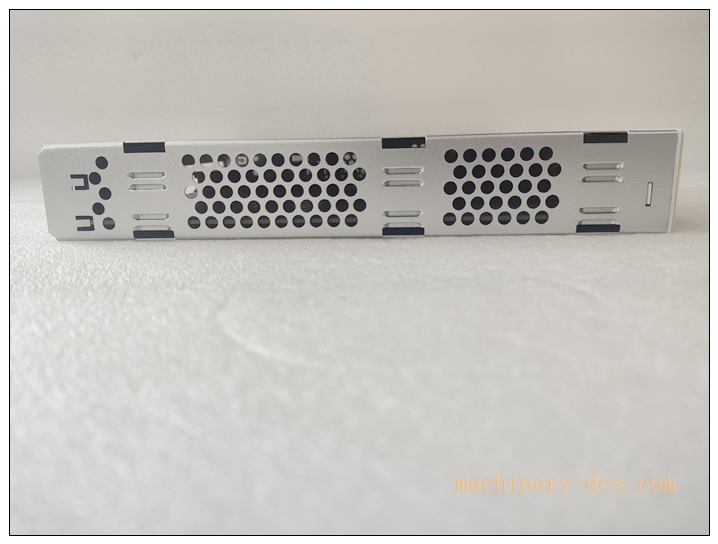
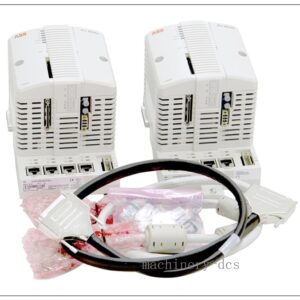
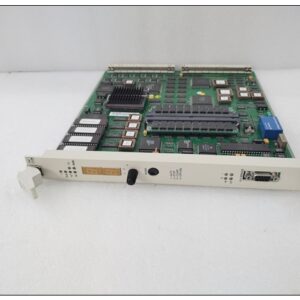
ABB PM633 Central Processing Unit Module, Advant Controller Series
Product Brand & Model Title
Official Product Title: ABB PM633 Central Processing Unit Module, Advant Controller Series
Brand: ABB
Model: PM633
Product Series: Advant 400 Series DCS Controller
Country of Origin: Switzerland
Product Type: Rack‑mount CPU Main Controller Module
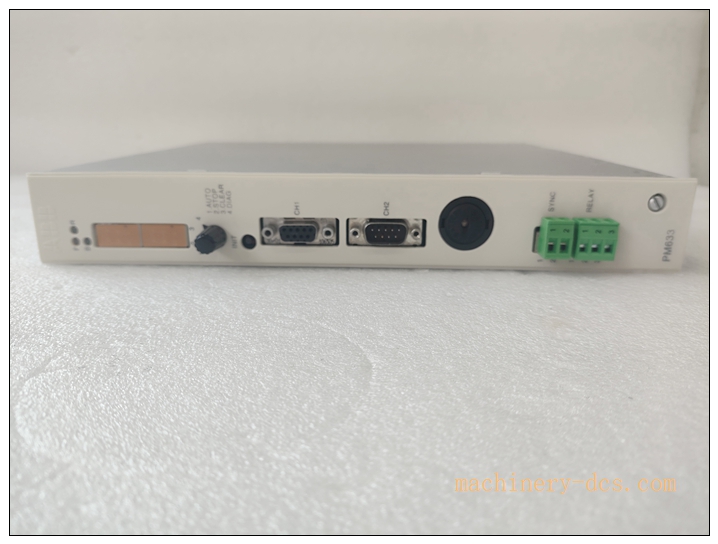
PM633 3BSE008062R1
Product Core Overview
The ABB PM633 is a high‑performance central processing unit module designed for ABB Advant 400 DCS distributed control systems. Powered by 25 MHz MC68340 processor, it executes real‑time logic control, sequence processing, analog signal calculation, data acquisition and host communication tasks for process‑critical industrial plants.
This CPU module supports multi‑task industrial control program execution, large‑capacity on‑board memory for user application and event logging. Equipped with multiple independent communication interfaces, it connects to local I/O racks, field bus devices and upper‑level monitoring systems. Featuring hot‑swap capability, industrial‑grade anti‑vibration and EMC performance, PM633 serves as the core main controller for petrochemical, power, pulp‑paper and metallurgy process plants, supporting both new deployment and legacy system retrofitting projects.
Main Technical Specifications
| Parameter | Specification |
|---|---|
| Manufacturer | ABB |
| Model | PM633 |
| Device Type | DCS Main CPU Controller Module |
| Main Processor | MC68340, 25 MHz |
| On‑board Memory | Program memory 4 MB; Data memory 2 MB |
| Communication Interfaces | Dual Ethernet, PROFIBUS‑DP, RS485 Modbus‑RTU, Serial service port |
| Backplane Interface | Advant 400 series rack backplane bus |
| Power Consumption | 22 W typical |
| Rated Supply Voltage | 24 VDC isolated power supply |
| Operating Temperature | 0 °C ~ +60 °C |
| Storage Temperature | ‑40 °C ~ +85 °C |
| Mounting | Standard 19‑inch Advant rack slot‑mount, hot‑swappable |
| MTBF | ≥80 000 hours |
| Certification | CE, UL, IEC industrial EMC compliance |
| Weight | 1.1 kg |
| Warranty | 12‑month manufacturer warranty |
ABB Advant 400 Series Recommended Models (6+)
- PM633: Standard main CPU module (reference model), for medium‑size DCS control racks
- PM631: Compact CPU module for small‑scale process control applications
- PM634: Enhanced high‑performance CPU, expanded memory for heavy‑load complex logic
- PM635: Redundant hot‑standby CPU unit, for high‑availability safety‑critical systems
- DI630: Digital input module for Advant 400 series rack
- DO631: Digital output relay module for field interlock control
- AI632: Multi‑channel analog input module (4‑20 mA / RTD signal acquisition)
- AO633: Analog output module for 4‑20 mA field actuator drive
Professional Quality Control & Test Standard Operating Procedure (SOP)
- Incoming Component Inspection Inspect CPU chip, memory chips, communication transceivers, backplane connectors and PCB substrates, verify compliance with ABB industrial component specifications. Reject non‑conforming raw materials before assembly.
- PCB Assembly & Basic Functional Bench Test After SMT soldering, perform power‑on initialization test. Verify processor boot sequence, memory read‑write integrity, each communication channel physical layer performance. Detect short‑circuit, open‑circuit and hardware fault on assembled PCBs.
- Continuous Thermal Aging Test 72‑hour powered burn‑in test at 55 °C ambient temperature. Run cyclic control simulation programs, monitor CPU temperature, memory stability and communication link status, screen early‑failure hardware units.
- Environmental Compliance Validation Conduct temperature cycling, mechanical vibration‑shock test and EMC EMI/EMS testing following IEC 61000‑6‑2 and IEC 60068 standards, simulate plant‑site harsh interference environment.
- Full‑System Rack Integration Test Insert into standard Advant 400 rack. Test backplane bus interaction with I/O modules, PROFIBUS‑DP / Modbus‑RTU / Ethernet data exchange, user program download‑run, alarm‑event logging function. Verify hot‑swap behavior.
- Final Calibration & Batch Sampling Release Complete hardware parameter calibration; 5 % random sampling retest per batch. Generate traceable factory test record. Label product for final shipment.
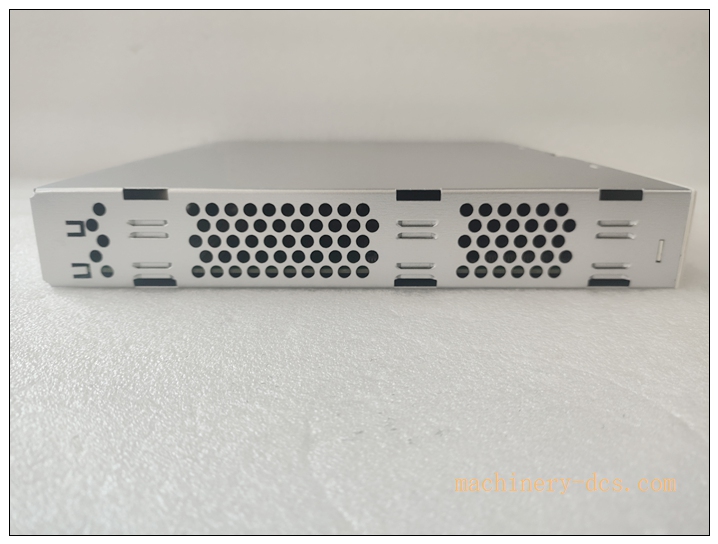
PM633 3BSE008062R1
New Module Installation Guidelines
6.1 Pre‑installation Preparation
Power down target rack or confirm redundant system allows hot‑swap operation. Wear anti‑static wristband to prevent electrostatic damage. Inspect for shell scratch, connector pin bending or corrosion. Prepare insulated screwdriver, shielded Ethernet / PROFIBUS cables.
6.2 Hardware Rack Installation
Open rack slot front cover. Slide module horizontally into designated CPU slot, push firmly until backplane connector fully seats. Lock front‑panel fastening screws. Route communication cables: separate field‑bus signal cables from high‑power AC cables to reduce electromagnetic interference. Terminate bus terminator resistor as per wiring diagram.
6.3 System Configuration & Commissioning
Power on the rack. Launch ABB Advant configuration software. Recognize newly installed CPU over backplane bus. Download system firmware and user application control program. Configure network IP address, PROFIBUS station address, Modbus register mapping, I/O module mapping table. Execute offline simulation test to validate program logic. Save full project backup files.
6.4 Post‑installation Validation
Check front‑panel LED status indicators (RUN, FAULT, COMM). Verify real‑time I/O data refresh, event‑log recording function. Perform continuous 4‑hour runtime test. Confirm no communication dropout, no unexpected fault alarms. Complete commissioning acceptance.
Application Scenarios & Product Features
Application Scenarios
- Large‑scale process DCS control in thermal power plants
- Petrochemical plant continuous process monitoring & sequence control
- Pulp & paper industrial production line automation
- Metallurgy heavy‑industry process control system
- Water‑treatment and energy‑utility central control rooms
- Legacy ABB Advant system spare‑part replacement & retrofit projects
Core Features
- Industrial‑grade real‑time processor for stable process‑control logic execution
- Multiple independent communication interfaces for flexible field‑bus and host‑system connection
- Hot‑swap supported, minimizing system downtime during module replacement
- Large‑capacity on‑board memory for user program storage and event‑history logging
- Seamless interoperability with full Advant 400 series I/O modules
- Excellent anti‑vibration and EMC performance adapting to heavy‑industry cabinet environments
- Supports redundant CPU deployment for high‑availability critical‑process control
Frequently Asked Questions (FAQ)
Q1: RUN LED off, FAULT LED stays red after power‑on
A1: Check rack 24 VDC power supply voltage range. Confirm module is fully inserted into rack slot and front‑panel screws are locked. Verify firmware version compatibility with rack base hardware. Perform power‑cycle reset. If fault persists return for hardware inspection.
Q2: CPU cannot communicate with I/O modules on backplane
A2: Inspect backplane bus condition; confirm slot position follows hardware manual. Check if related rack power module works normally. Re‑download system base firmware. Check hardware configuration in Advant software matches actual rack layout.
Q3: Ethernet / PROFIBUS‑DP communication unstable, data loss occurs
A3: Check shielding grounding of communication cables; avoid routing alongside high‑voltage power cables. Verify bus terminator resistor installation. Adjust baud‑rate / network parameter settings. Check for IP‑address conflict on Ethernet network.
Q4: Can work on old‑revision Advant 400 racks?
A4: Backward compatible for most standard Advant 400 racks. Very early hardware revisions require firmware upgrade for full function support.
Q5: User control program cannot run after downloading into
A5: Verify program compilation completes without error. Check memory resource occupancy of user application. Confirm I/O mapping matches actual hardware layout. Review system diagnostic event log for detailed fault code.
Q6: What routine maintenance is required for CPU module?
A6: Every 3‑6 months inspect cabinet ventilation and dust accumulation; check rack power status and cable connection tightness. Regularly backup application program and configuration files. Avoid long‑term cabinet over‑temperature operation. Do not clean circuit‑board components with liquid solvents.

 Start Chat


 Send an Email